
By Michael Gwarisa
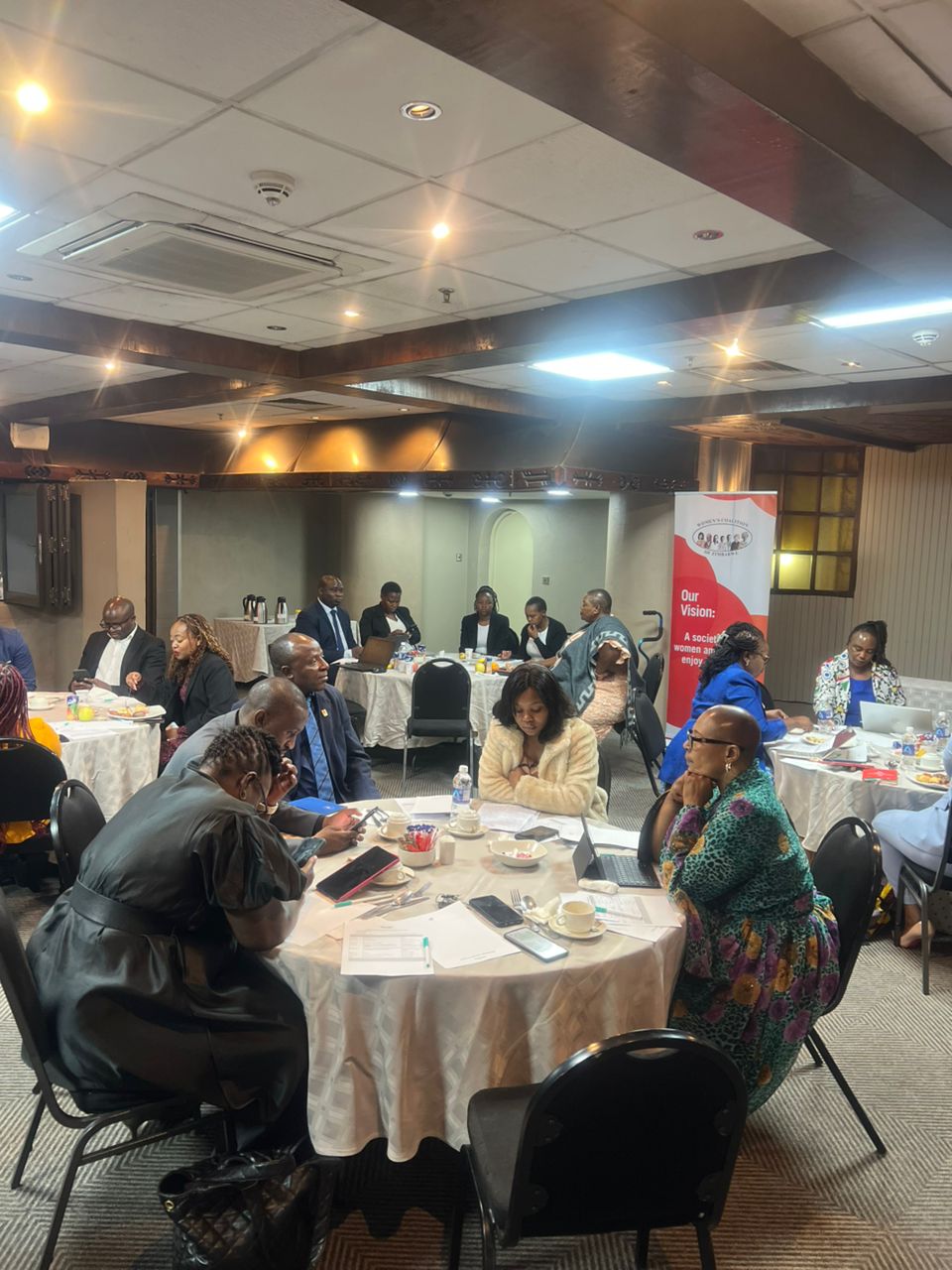
The Women’s Coalition of Zimbabwe (WCoZ) has engaged the Parliamentary Portfolio Committee on Health to advocate for a gender-responsive health budget that addresses the unique health needs of women in Zimbabwe in the 2025 national budget.
WCoZ’s submission highlights the critical role women play in shaping the 2025 National Budget, drawing on the organization’s extensive knowledge of gender inequality, women’s lived experiences, and how national budgets impact women’s lives. WCoZ recognizes that women and men have different needs and access to resources, underscoring the necessity of gender-responsive budgeting.
Isheanesu Chirisa, Director of Women and Law in Southern Africa and a WCoZ health cluster member, spoke on the engagement, stating, “The national budgeting process is closely tied to the fulfillment of women’s health rights. For women to fully realize their health rights, the government must allocate adequate resources toward health in the national budget.”
Chirisa further emphasized that international human rights law obligates states to respect, protect, and fulfill human rights, requiring governments to safeguard these rights and take steps to ensure they are upheld.
“WCoZ therefore submits that fiscal policy design and budget systems can play a major role in reducing gender inequality. WCoZ believes that tax, spending policies, public finance management, and national budget allocations can address gender inequality and advance women in areas like health, service delivery, and economic empowerment. It is on this basis that WCoZ recommends a gender-responsive 2025 National Budget that adequately addresses women’s diverse needs.”
In 2014, SADC’s Guidelines on Gender-Responsive Budgeting acknowledged this approach as an essential step toward achieving gender equality and women’s rights. Gender-responsive budgeting tracks how budgets address women’s priorities and how governments use funds to reduce poverty, promote gender equality, and lower maternal and child mortality rates. It also ensures government accountability to commitments made to women under frameworks like the Cairo Programme of Action on Population and Development and the Beijing Platform for Action for Gender Equality and Women’s Empowerment, as well as for achieving the Millennium Development Goals.
Zimbabwe has struggled to meet the Abuja Declaration’s target of allocating 15% of its budget to the health sector. A gender-sensitive approach in the 2025 National Budget is essential to addressing this gap. While health services are vital for all citizens, women, especially those in rural areas, face unique healthcare challenges that require targeted investment.
“Meeting the Abuja Declaration’s 15% health sector allocation is critical for strengthening Zimbabwe’s healthcare system, but this investment must be gender-sensitive to meet the specific health needs of women and girls. With increased funding, the 2025 National Budget can build a more equitable healthcare system that promotes women’s well-being and supports broader social and economic progress,” Chirisa added.
Gender-responsive budgeting (GRB) is an approach integrates gender considerations into the budgeting process to ensure that policies, interventions, and resource responds to the distinct needs and priorities of women, men, and gender-diverse individuals.
Retlaw Matorwa, a public health exert in Zimbabwe said, “The purpose of GRB is to promote gender equality by ensuring that financial resources are allocated in a way addresses inequalities of marginalized genders.GRB approach works to address, Gender Inequality and Discriminatio, promoting Women’s Economic Empowerment, supporting Reproductive and Maternal Health, Gender-Based Violence (GBV), Supporting Reproductive and Maternal Health and Economic Growth and National Development.”
The 2024 National Budget introduced a sugar tax, with revenue allocated to cancer treatment in Zimbabwe. In October, the Treasury reported that it had collected approximately US$18 million in local currency equivalent from the sugar tax levied on beverages. The Treasury urged the Ministry of Health and Child Care to expedite its procurement process for acquiring cancer treatment equipment.
WCoZ recommended prioritizing women’s reproductive and maternal health services, which they regard as essential to national development. Zimbabwe faces ongoing challenges in this area, including high maternal mortality rates, limited access to contraception, and insufficient prenatal and postnatal care, particularly in underserved areas.
“Our recommendation is for the sugar tax’s disbursement and expenditure to be closely monitored to ensure accountability. We also propose that future sugar tax revenues be managed directly by the Ministry of Health, with clear accountability mechanisms for monitoring their allocation and use,” said Chirisa.
The 2025 budget should prioritize funding to improve access to maternal health services, such as skilled birth attendants, affordable maternal care, and contraception. This would reduce maternal mortality, support safe childbirth, and enhance health outcomes for women and children. Special attention should also be given to adolescent girls, ensuring they receive adequate sexual and reproductive health education and services.”


