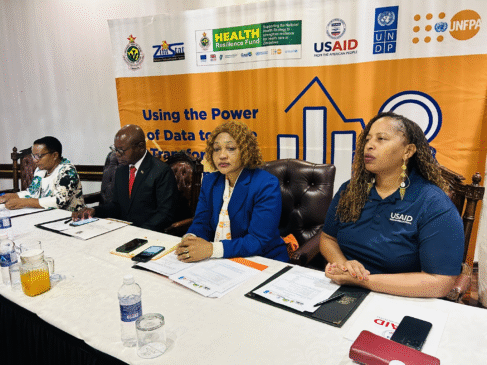
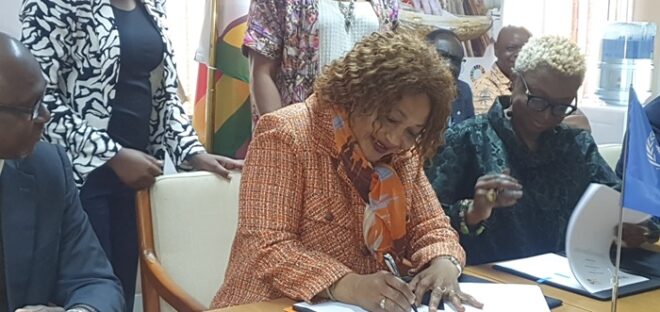
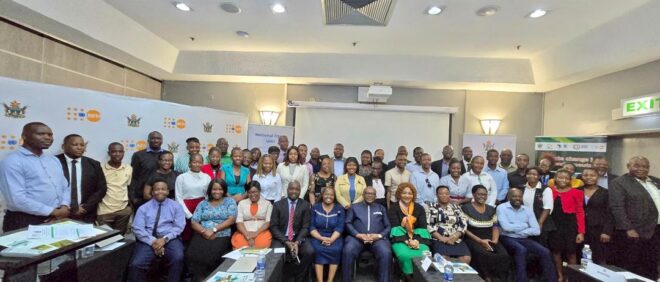
By Michael Gwarisa The Government of Zimbabwe and the United Nations Population Fund (UNFPA) have commenced consultations to develop the 9th Country Programme of Cooperation, which will run from 2027 to 2031. The two-day Stakeholder Engagement Workshop, taking place in Harare from 6 to 7 October 2025, brings together senior government officials, civil society, academia, youth representatives, and development partners to collectively shape the country’s future priorities for sexual and reproductive health and rights (SRHR), gender equality, and population dynamics. According to the concept note, the workshop seeks to “collectively…
Read MoreTag: UNFPA
Securing a Healthier Future: Global Leaders Target Malaria and Maternal & Child Health at UNGA80
New York, 24 September 2025 — On the sidelines of the 80th United Nations General Assembly (UNGA), world leaders and heads of state convened for a landmark event titled “Uniting for Global Health Security.” The gathering was jointly hosted by the Global Leaders Network (GLN) for Women’s, Children’s and Adolescents’ Health (WCAH) and the African Leaders Malaria Alliance (ALMA). The meeting came at a time when overlapping global crises are testing fragile health systems. From conflict and displacement to climate emergencies and economic shocks, resources are being diverted away from…
Read MoreZimbabwe Faces Fertility Decline as Global Childbearing Crisis Deepens
By Michael Gwarisa Zimbabwe is experiencing a demographic shift in terms of fertility rate, in line with global trends, as more people struggle to achieve their reproductive goals. According to the 2024 State of the World Population (SWP) report by UNFPA, the world is undergoing a fertility crisis where individuals are increasingly unable to have the number of children they want, when they want, or with whom they want. Back home, the country’s Total Fertility Rate (TFR) has seen a steady decline from 4.3 children per woman in 1994 to…
Read MoreOp-ed: Adolescents and young people today, leaders tomorrow: commemorating the Day of the African Child
Authored by: Mr Henry Damisoni, UNAIDS Representative, Ms Etona Ekole, UNICEF Representative, Mrs Miranda Tabifor, UNFPA Representative, Dr. Desta Tiruneh, WHO Representative In a local health clinic in Zimbabwe, Patience, a nurse and midwife, counsels and supports women and girls on a daily basis – some who are trying to prevent a pregnancy, those who are soon to become first-time mothers, and others who are living with HIV and seek to take care of themselves and their partners. This is a new generation of young people and adolescents, who yearn for a…
Read MoreZimbabwe Makes Gains in Reducing Maternal Mortality, but Challenges Persist
By Michael Gwarisa Zimbabwe has recorded a significant drop in maternal deaths, according to new data from the 2023–24 Zimbabwe Demographic and Health Survey (ZDHS), offering a rare moment of optimism for a country grappling with chronic healthcare challenges. The survey, released on June 2 at Rainbow Towers Hotel in Harare, shows that the maternal mortality ratio has declined from 462 deaths per 100,000 live births in 2015 to 363 in 2024—a reduction of nearly 21 percent. Government officials, development partners, and public health experts welcomed the findings as evidence…
Read MoreUNFPA, WFP MoU Seeks to Integrate Food Security and Health Services
By Michale Gwarisa In a landmark move that marks a deepening of collaboration between two major United Nations agencies, the United Nations Population Fund (UNFPA) and the World Food Programme (WFP) have signed a Memorandum of Understanding (MoU) that will see the integration of critical health and protection services into food assistance programmes across Zimbabwe. The new MoU aims to enhance the reach and impact of both organisations by delivering sexual and reproductive health services, family planning, and gender-based violence (GBV) prevention support at WFP food distribution points. The integrated…
Read MoreUS Cuts UNFPA Funding, Threatening Millions of Lives and Maternal Health Gains Globally
By Michael Gwarisa The United Nations Population Fund (UNFPA), the UN’s sexual and reproductive health agency, has expressed deep regret following the United States government’s decision to halt future funding to the organization, a move that could reverse decades of progress in maternal health and reproductive rights. The US government announced its intention to cut funding by invoking the Kemp-Kasten Amendment, citing long-debunked claims about UNFPA’s alleged involvement in coercive reproductive practices in China. Multiple independent investigations, including by US government agencies, have found no evidence to support these allegations.…
Read MoreMinistry of Environment Hosts Climate Mainstreaming Workshop for Staff
By Michael Gwarisa The Ministry of Environment, Climate, and Wildlife has hosted a one-day workshop aimed at enhancing the capacity of its staff to mainstream climate change into development plans and budgetary processes. The training comes as Zimbabwe continues implementing its National Adaptation Planning (NAP) process, which commenced in 2019 with technical support from the United Nations Environment Programme (UNEP). The workshop was financed by the United Nations Population Fund (UNFPA) Zimbabwe. Officiating at the event, Permanent Secretary in the Ministry of Environment, Ambassador Tadeous Chifamba underscored the urgent need…
Read MoreUNFPA Partners with Social Workers and Universities to Strengthen GBV Response
By Michael Gwarisa The United Nations Population Fund (UNFPA) has announced a strategic partnership with the Council of Social Workers, academic institutions, and government entities to enhance case management services for survivors of gender-based violence (GBV) under the Women at the Centre programme. The announcement was made on December 6, 2024, as part of the 16 Days of Activism campaign. Gender-based violence continues to plague Zimbabwe, with nearly one in two women experiencing physical or sexual violence. To address this crisis, the UNFPA initiative, funded by Takeda Pharmaceuticals, aims to…
Read MoreZimbabwe Considers Cost Recovery Strategy For Family Planning Products
By Michael Gwarisa Amid growing donor fatigue and declining international support, Zimbabwe is pursuing a cost recovery framework for contraceptive commodities to ensure the sustainability and accessibility of reproductive health services. Spearheaded by the Zimbabwe National Family Planning Council (ZNFPC), in collaboration with the Ministry of Health and Child Care (MoHCC) and other partners, this initiative aims to maintain progress in reproductive health despite diminishing external funding. Like many nations dependent on donor contributions, Zimbabwe is seeking strategies to sustain its family planning programs. The proposed cost recovery framework intends…
Read More