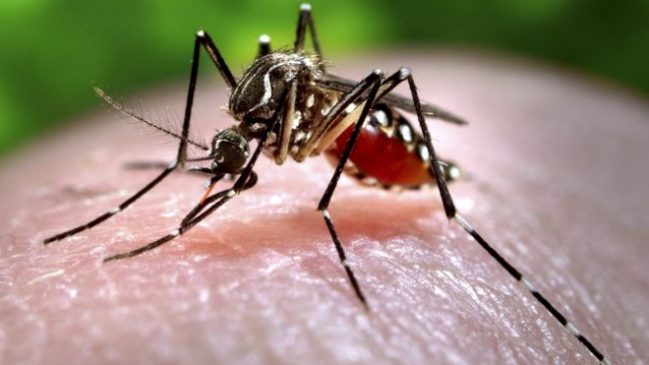
By Michael Gwarisa The Ministry of Health and Child Care (MoHCC) has reported a rise in malaria deaths and new infections among children under five in areas endemic to the disease. New cases have been recorded since the onset of the rainy season two weeks ago. According to the MoHCC disease surveillance report for the week ending November 2, 2025, a total of 1,074 malaria cases and three deaths were reported. The deaths occurred in Makoni and Chimanimani districts in Manicaland Province, and Mount Darwin District in Mashonaland Central. Of…
Read MoreCategory: Animal Health
Over 120,000 Litres of Zimbabwean Milk Rejected for Export Due to Antibiotic Residues and Adulteration
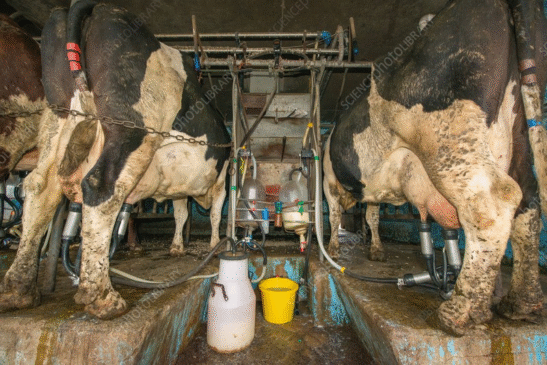
By Kuda Pembere More than 120,000 litres of milk intended for export were rejected by mid-2025, a sharp rise from 39,000 litres in the previous year. The increase has been attributed to high traces of antibiotics and adulteration, particularly the addition of water. This was revealed by Dr. Lawrance Dengenya, Director of Veterinary and Technical Services in the Ministry of Lands, Agriculture, Fisheries, Water and Rural Development, during the 11th Annual General Meeting of the Zimbabwe Association of Dairy Farmers (ZADF), held recently. Trade facilitation is one of our mainstays,…
Read MoreZimbabwe’s Agriculture Ministry Receives ICT Equipment to Enhance Fodder Data Collection
By Kuda Pembere In a move aimed at strengthening livestock policy through data-driven insights, Zimbabwe’s Ministry of Lands, Agriculture, Fisheries, Water and Rural Development has received a consignment of ICT equipment to enhance the collection and management of feed and fodder data nationwide. The equipment — including six laptops, two desktop computers, and a printer — was purchased by the African Union Inter-African Bureau for Animal Resources (AU-IBAR) through its Resilient African Feed and Fodder Systems (RAFFS) project. It was handed over to the Zimbabwe Feed and Fodder Multistakeholder Platform…
Read MoreZimbabwe Feed and Fodder Multi-Stakeholder Platform Drafts Strategic Plan
By Kuda Pembere Zimbabwe’s Multi-Stakeholder Platform (MSP) for feed and fodder systems has begun drafting a strategic plan to guide its formalization and resource mobilization efforts. Established in May last year, the MSP comprises representatives from the Ministry of Lands, Agriculture, Fisheries, Water and Rural Development (MoLAFWRD), the Zimbabwe Dairy Farmers Association, the Zimbabwe Dairy Processors Association, academia, and financial institutions. Rutendo Nyahoda, Deputy Director in the Department of Livestock Production and Development at the Ministry of Agriculture and Zimbabwe’s focal person for the Resilient Feed and Fodder Systems initiative,…
Read More15 000 Zim livestock farmers benefit from LIPS-Zim initiative
By Kuda Pembere The Livestock Production Systems in Zimbabwe (LIP-ZIM) initiative has come to a halt having benefited 15 000 farmers in six Zimbabwean districts. The initiative funded by the European Union started in 2020 looking Mutoko, Buhera, Chiredzi, Beitbridge, Gwanda, Nkayi, Gokwe North, NyamiNyami. Officiating the close-out ceremony on Wednesday, Ministry of Lands, Agriculture, Water, Fisheries and Rural Development permanent secretary Obert Jiri said the country managed to implement sustainable production systems while empowering farmers with requisite skills and resources needed in a ever-changing agricultural landscape. This occasion of…
Read MoreZimbabwe Records Over 600 Dog Bites in One Week
By Michael Gwarisa The Ministry of Health and Child Care (MoHCC) has raised alarm over the increasing number of dog bites, with a significant proportion of these bites attributed to unvaccinated dogs. According to the Weekly Disease Surveillance Report for the week ending January 5, 2025, a total of 635 dog bite cases were reported, with no deaths recorded. Of these cases, 141 (22%) involved vaccinated dogs, 118 (18%) involved unvaccinated dogs, and 366 (60%) involved dogs of unknown vaccination status. In an interview with HealthTimes, Dr. Isaac Phiri, the…
Read MoreConservation Is The Firewall To Future Public Health Threats Says AWF Boss
By Michael Gwarisa In 2020, the world went into a total lockdown following the declaration of the Coronavirus 2019 (COVID-19) as a global health pandemic. The coronavirus is an infectious disease caused by the severe acute respiratory syndrome coronavirus 2 (SARS-CoV-2). Cases of novel coronavirus were first detected in China in December 2019, with the virus spreading rapidly to other countries worldwide. This led WHO to declare a Public Health Emergency of International Concern (PHEIC) on 30 January 2020 and to characterise the outbreak as a pandemic on 11 March…
Read MoreZimbabwe at risk of Zoonotic TB in humans
THE removal and vandalism of perimeter fences separating wildlife reserves from grazing areas for domestic animals as well as human habitats in most communal areas in Zimbabwe, poses a risk of transmission for Bovine Tuberculosis, a renowned Veterinary expert has said. In 2019, President Emmerson Mnangwga announced that government would erect perimeter fences around national parks as part of measures to reduce human-wildlife conflict which if left unchecked, could lead to the uncontrolled spread of Zoonotic diseases such as Bovine Tuberculosis also known as Zoonotic TB. A Zoonotic disease or…
Read MoreHow Antibiotics Are Finding Their Way Onto Your Diner Table
AS the world is grappling with emerging novel public health threats and natural disasters, lurking in the dark is an even more lethal and irreversible health challenge, Antimicrobial Resistance (AMR), a catastrophe which could wipe out an entire civalisation if something is not done NOW. By Michael Gwarisa According to the World Health Oragnisation (WHO), by the year 2050, the world will be faced with a catastrophe of double proportions and will be losing about 10 million people yearly at a huge cost. A number of strides have been made…
Read More