
ZIMBABWE is still struggling to cope with growing cases of maternal deaths and complications with statistics indicating that young girls aged 10 to 13 being the biggest victims.
By Michael Gwarisa
According to the UNFPA National Adolescent Fertility Study of 2016, in Zimbabwe the fertility for adolescent women aged 15-19 years was 115 births per 1,000 women of the same age in 2015. The report also indicated that although fertility rates among women aged 20 years and above in Zimbabwe have fallen over the last two decades, adolescent pregnancy was on the rise despite Zimbabwe having one of the highest contraceptive prevalence rates in sub-Saharan Africa.
Owing to early increased cases of child marriages and lack of adequate information regarding contraception and family planning, many adolescent girls find themselves at the receiving end as their productive lives are cut short due to death or permanent disabilities as a result of birth complications.
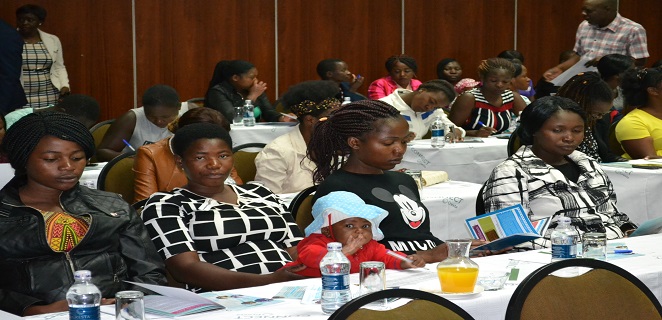
During the just ended Citizen Health Watch Patients Summit, many adolescent mothers revealed that they rarely visit the Antenatal Clinic (ANC) for periodic check-ups and reviews prior the delivery period hence the growing numbers in maternal complication in adolescent mothers.
“I am from Masvingo and I would say I never visited the ANC during my pregnancy days. I just visited the health centre where I delivered my baby when I started feeling labour pains. I cried out to the nurses informing them that my centimeters were expanding but they ignored me.
“I went to the toilet and I actually delivered my first child in the toilet,” said one adolescent mother who only identified herself as Letwin.
Due to various reasons chief among them being the economic woes and the decline in disposable income levels for most citizens, they fail to commute to and from health centres for ANC visits leading to life threatening and near death labour experiences.
For Trinity Mutsago from Manicaland, surviving her labour experience at St Andrews hospital was a miracle beyond human comprehension.
“When I went to hospital at St Andrews, the problem is that there are no scanning machines. When I arrived at the hospital I was referred to the theater room for a caesarean section as my baby was no longer moving.
“My situation was bad, I was now vomiting green water. The doctors inserted a tube in my mount and nose and i started bleeding profusely. At that point I did not know I had twins since I had not gone through a scan.
“My tummy started tearing apart, the waters splashed in the face of the doctor. He even attempted to abandon the operation. The doctors made a mistake and stabbed one of my unborn twins with Caesars and the baby died. Fortunately the other baby survived. I was gutted, I was hurt but my husband said let’s forget about it and move on,” said Langa.
She however accused the nurses at the institution for wrongly conducting a blood transfusion as they gave her a wrong blood group which made her body swell. They had to drain the blood to ensure the swelling does not continue.
Meanwhile, Dr Afred Muchara from the Provincial Medical Directory in Matebablend North said the issues of negligence amongst health personnel was on the rise and as government, they were working on coming up with measures to bring culprits to book.
“First I would like to appreciate the patients who highlighted their concerns which is very good. Part of my job, I appreciate and note that what the patients are saying is exactly what we are experiencing and its happening in our institutions.
“We thought these were isolated issues but we hear it is happening elsewhere. Most of the cases in maternity are supposed to be anticipated before we do any fire fighting. The delay is not supposed to be there and we are working actually towards addressing these challenges affecting mothers. Patients however need to accept that they need to seek health earlier and not wait for the delivery day,” said Dr Muchara.
Adolescent pregnancy is associated with health risks for the mother that include maternal deaths, complications during pregnancy and delivery, including operative vaginal deliveries, caesarean sections and maternal mortality. Unsafe abortions are also experienced as the teenage girls try to end pregnancy.
Speaking to HealthTimes, Citizen Health watch trustee, Fungisai Dube said adolescent mothers were at high risk of birth complications hence the need for awareness and information dissemination amongst young girls and adolescent mothers.
According to the UNFPA, adverse outcomes are largely because the adolescents are not physiologically mature enough to produce babies. Babies born to the adolescent mothers are at higher risk of morbidity and mortality, low birth weight, still births and pre-term births.


