Stigma and discrimination derailing HIV successes

By Munyaradzi Doma A worrying trend of stigma and discrimination obtaining in the country will derail the successes that have been made in the HIV response, Executive Director of Zimbabwe National Network for People Living with HIV, Tatenda Makoni has revealed. Makoni revealed this during an International Conference on Aids and STIs in Africa (ICASA) side session which was organised by Aids and Rights Alliance for Southern Africa (ARASA). The side session was running under the theme: “Expanding needs, diminishing means, shrinking civil space and funding for HIV and sexual…

Read More

More than US$ 1.8 billion in support for African vaccine manufacturing, catching up missed children and pandemic preparedness approved as Gavi Board steps up efforts to tackle backsliding and fight health emergencies

Gavi’s Board today approved the establishment of the African Vaccine Manufacturing Accelerator (AVMA), a financing instrument that will make up to US$ 1 billion available to support sustainable vaccine manufacturing in Africa Efforts to translate pandemic learnings into concrete action further include the establishment of a US$ 500 million First Response Fund to ensure immediate financing for vaccine response in the event of a future pandemic, as well as extraordinary support for countries to close routine immunisation gaps created during the COVID-19 pandemic The Board approved the inclusion of the…

Read More

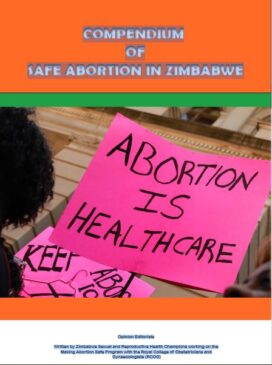
Challenging Online Post-Abortion Stigma in Zimbabwe: Advocating for Compassion

By Memory Pamella Kadau Introduction The discourse surrounding abortion remains a contentious and divisive topic worldwide, and Zimbabwe is no exception to the complexities that surround it. Recognising that the decision to undergo an abortion is deeply personal and multifaceted, individuals navigate this choice for various reasons. The subject is often marred by misinformation, disinformation, and pervasive stigma, posing significant hurdles for those seeking safe and reproductive healthcare. The social media space in Zimbabwe has become toxic toward young girls and women who undergo abortions. This editorial delves into the…

Read More

To end the AIDS pandemic, let communities lead

By Jane Kalweo – UNAIDS Country Director, Zimbabwe Zimbabwe has a fantastic opportunity. It can end the AIDS pandemic by 2030, by letting communities lead. Communities of people living with HIV or at risk of HIV are the drivers of progress in the AIDS response. They connect people to public health services, build trust, innovate, monitor the implementation of policies and services, and hold service providers accountable. For example, in Zimbabwe Community led organisations deliver services to their peers and employ peer led approaches to provide services to the most…

Read More

Population Solutions for Health launches PREVENT program

Population Solutions for Health (PSH), and Populations Service International (PSI) on Monday hosted the Going the Last Mile for HIV Control closeout while launching the PREVENT program meant to protect the gains Zimbabwe has made in the fight against HIV pandemic. By Nthokozo Gudu PSH Executive Director and Managing Trustee, Dr Noah Taruberekera gave remarks and celebrated the successes of the Last mile program. This event is about looking back and celebrating the successes of the US$101 million dollars Last Mile program funded by PEPFAR through USAID. This program was…

Read More

Offering PrEP to all pregnant women just as effective as focusing on those at higher risk of HIV

Edith Magak (AIDSMAP) A study comparing two models for delivering pre-exposure prophylaxis (PrEP) among pregnant women seeking routine antenatal services at public clinics in Kenya found similar PrEP uptake in the targeted (risk-guided) and universal arms. Additionally, both arms had high PrEP continuation rates, and HIV incidence was also similar. Since the risk-guided approach was not superior and did not improve PrEP decision-making, the researchers recommend universal PrEP counselling – which is easier and simpler to provide. “We found that a risk-guided PrEP offer (Targeted) was not superior to a…

Read More

Role of Guidelines in Reducing Unsafe Abortions

By Dr Munyaradzi Murwira Background According to World Health Organisation (WHO), six out of 10 unintended pregnancies end up in induced abortions, with 45 percent of all abortions estimated to be unsafe globally. Thus, strengthening access to comprehensive abortion care (CAC) within the health care system is fundamental to meeting the sustainable development goals (SDGs) relating to good health and wellbeing, and gender equality. In 2022, the WHO launched the new Abortion Care Guidelines to provide guidance for provision of comprehensive abortion care services (CAC) globally. Priority aspects of the…

Read More

Household Food Insecurity Worries Pushed Mental Health Challenges During COVID-19 In Zimbabwe

Rosalina Mutekedza (38), a single mother from Warren Park 1 in Harare is happy the COVID-19 pandemic has subsided and there is no more need for any restrictions and lockdowns to contain the spread of the diseases. By Ntokozo Gudu Above all, she is happy that now she can fend for her three children without any fear of breaking the law. She recalls how the COVID-19 induced lockdowns almost drive her into depression owing to uncertainty they brought. I was worried. During the first 21 days of the COVID-19, i…

Read More