Time to Mainstream COVID-19 into GBV and Women’s Rights programing

In 2021, my nephew died of COVID-19. Just like so many relatives of more than 5,367 Zimbabweans[1] who have died during the nearly two-year pandemic, I was not able to participate in a funeral, wake, body viewing or funeral. These are all important rituals and I still feel sad when I think of how I not only lost him, but I also missed the chance to properly mourn him with loved ones. By Edinah Masiyiwa The pandemic and its outcomes have not only robbed us of our loved ones, but…

Read More

Mabvuku Polyclinic Starts Offering Cesarean Services

Mabvuku Polyclinic has started offering cesarean services in line with the City Health department’s vision of expanding comprehensive healthcare services at community level. Staff Reporter A team of doctors and nurses who will be working in the Mabvuku Poly Clinic have already been deployed as Council intends to roll out the service to three more centres.  …Detailed article to follow

Read More

Coronavirus pandemic: The worst could be over, says South African Professor

JOHANNESBURG – The worst of the COVID-19 pandemic may be over, according to Professor Shabir Madhi, vaccinology Professor at Wits University. Madhi says more variants can be expected but they may not be as severe as the first three waves. He says when another variant arises it will be similar to the Omicron variant. “It’s very likely that there will be another resurgence and another variant in the coming months but when the new variant arrives it won’t perform any differently from how omicron performed,” Madhi said. “People will still…

Read More

Zim population now at 17 million

ZIMBABWE’S population is projected to be nearly 17 million, growing by nearly four million in the last 10 years from 13 million recorded during the 2012 national census, the Zimbabwe National Statistics Agency (ZimStat) has said. SOURCE: Chronicle Last year, ZimStat conducted a census mapping exercise which projected the population to be now at 16,9 million. These include 8,8 million females and 8,1 million males. The 2012 census put the country’s population at 13 061 239; 6 780 700 females and 6 280 539 males. ZimStat is expected to conduct…

Read More

New Highly Infectious HIV Variant That Progresses To AIDS Faster Discovered

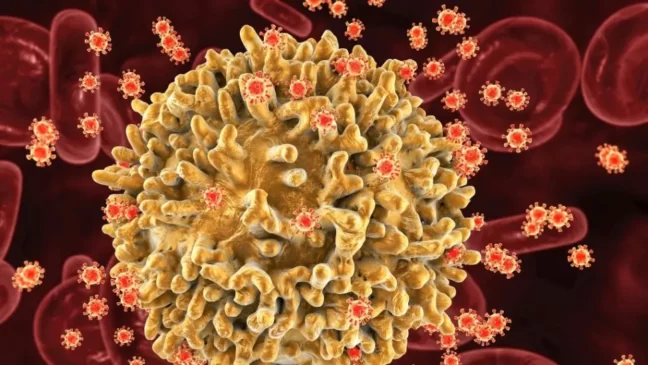
A newfound variant of HIV, the virus that causes AIDS, has been uncovered in the Netherlands and appears to cause faster disease progression compared with other versions of the virus. SOURCE: LIVESCIENCE The human immunodeficiency virus (HIV) infects and destroys immune cells called CD4 cells in the body, causing the number of these cells to plummet. If left untreated, the infection then progresses to AIDS. In people infected with the newfound HIV variant, called the VB variant, the CD4 counts fall at about twice the rate as those of people…

Read More

Ignore Fungal diseases At Own Peril

VIRUSES, bacteria, and protozoa have ravaged the global healthcare industry for centuries. Influenza, herpes simplex, and other viruses have been documented for over 100 years but fungal infections were recognized as medically important in the 1980s. Disease caused by a virus has an impact in all parts of the world weather less developed, developing, and developed countries millions of people have succumbed to viral diseases across the globe. By lnnocent Njazi  Health experts have responded very well by developing vaccines, developing diagnostic and preventive tools, and building a strong surveillance…

Read More

What You Need To Know About Kidney Disorders in Children

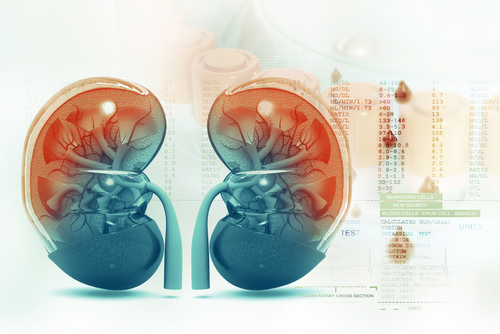
How do the kidneys work? Your child’s body takes nutrients from food and converts them into energy. After your child’s body has taken the nutrients it needs, waste products are left behind in the bowel and in the blood. The kidneys and urinary system keep chemicals, such as potassium and sodium, and water in balance. They do this by removing a type of waste called urea from the blood. Urea is made when protein foods such as meat, poultry, and certain vegetables are broken down in the body. Urea is carried in the…

Read More

Crucial changes needed to protect workers’ health while teleworking

The World Health Organization and the International Labour Organization have called for measures to be put in place to protect workers’ health while teleworking. Own Correspondent A new technical brief to healthy and safe teleworking, published by the two UN agencies, outlines the health benefits and risks of teleworking and the changes needed to accommodate the shift towards different forms of remote work arrangements brought on by the COVID-19 pandemic and the digital transformation of work. Among the benefits, the report says, there can be improved work–life balance, opportunities for…

Read More

Bias-driven travel bans are an ineffective response to variants

JOHANNESBURG, South Africa, 1st February 2022-/African Media Agency (AMA)/- The knee-jerk travel bans imposed late last year in response to Omicron were inconvenient for many – particularly given the holiday season. But they were also deeply destructive: separating families and loved ones; undercutting businesses and livelihoods; and causing further economic losses. By Linda Weaver While most countries have lifted the restrictions, the ripple effects will continue to be felt for months to come. And it is important that we understand the costs, so that we exercise greater care as we…

Read More

Huge volumes of COVID hospital waste threaten health – WHO

GENEVA (Reuters) – Discarded syringes, used test kits and old vaccine bottles from the COVID-19 pandemic have piled up to create tens of thousands of tonnes of medical waste, threatening human health and the environment, a World Health Organization report said on Tuesday. The material, a portion of which could be infectious since coronavirus can survive on surfaces, potentially exposes health workers to burns, needle-stick injuries and disease-causing germs, the report said. Communities close to poorly-managed landfills can also be affected through contaminated air from burning waste, poor water quality…

Read More