Kubvisa Pamuviri Ikodzero yeutano Kumadzimai

Ne Munyori Wezvehutano VASIKANA vechidiki pamwe nemadzimai vari kupemberera zvikuru  kuvandudzwa uko kwakaitwa mutemo uri maringe nenyaya dzekubviswa kwepamuviri apo wakanyevenutswa nedare guru reHigh Court kuti vange vachikwanisa kubviswa pamuviri muzvipatara  kana pamuviri pachinge pauya nenzira yechibharo  chemuwanano (marital rape)  uye kuvanasikana vari pasi pemakore 18 ekubererwa kana vachinge vangoita pamuviri zvisinei nekuti vatendererana nemupari wemhosva here kana kuti kwete sezvo  pwere pamutemo dzisingakwanisi kubvuma bonde. Kusandurwa kwemutemo uku kwakavapo nekuda kwemushandirapamwe wesangano remagweta anomiririra madzimai nevanasikana veWomen and Law in Southern Africa Zimbabwe (WLSA), Women’s Coalition of Zimbabwe (Wcoz),…

Read More

Addressing Zimbabwe’s Health System Demise and Brain Drain

By Itai Rusike Zimbabwe’s health sector has been on a downward trajectory for years, facing numerous systemic challenges that have significantly eroded the quality of service delivery. Among the most pressing issues is the brain drain, which has seen a mass exodus of health professionals seeking better opportunities abroad. This trend has left the nation’s public health facilities understaffed and struggling to cope with the increasing demand for healthcare services. The health system in Zimbabwe is characterized by poor working conditions, inadequate remuneration, and a lack of essential medical supplies.…

Read More

Healing or Hustle? Smuggled Meds Are Big Draw in Zimbabwe’s Hidden Markets

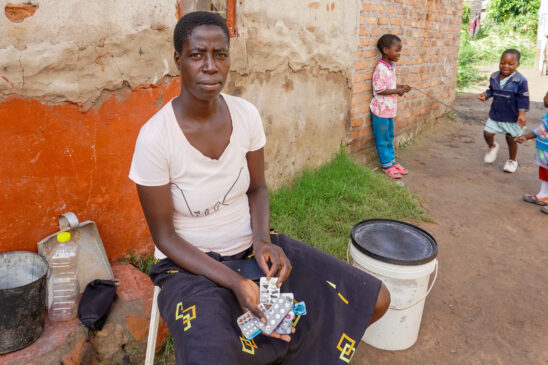
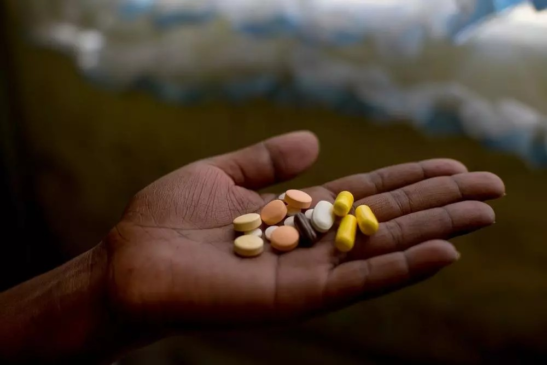
By Gamuchirai Masiyiwa, GPJ Zimbabwe HARARE, ZIMBABWE — It’s possible to buy pretty much anything at the market in Hopley, an informal settlement south of this capital city: rat poison, mops — even medicine. That medicine is sold without prescriptions, to buyers who don’t have a diagnosis from a doctor in hand. Some vendors even offer diagnoses to their customers, even though they don’t have any medical training. And in many cases, the medicine is fake. At any moment, police could swoop in for a raid. Vendors keep the medicine…

Read More

New horizon beckons for Zim women…As Senate calls for Overhaul of existing Termination of Pregnancy Law

Health  Correspondent When schools reopened in January this year, a headmaster in Mbire District experienced the shock of his life. 16 girls dropped out. Upon further inquiry by the education ministry, it was revealed that the majority of these students had left due to pregnancy. Elsewhere, several girls failed to return to class at the start of the term, with rural areas and mining communities being the most affected. Teenage pregnancy and child marriages remain critical issues in Zimbabwe, with recent statistics revealing alarming trends. In 2024 alone, approximately 5…

Read More

WHO proposing to cut jobs and slash budget by a fifth, memo shows

GENEVA, March 29 (Reuters) – The World Health Organization (WHO) is proposing to reduce staff numbers and the scale of its work as it slashes its budget by just over one fifth due to the impact of U.S. funding cuts, according to an internal memo seen by Reuters. U.S. President Donald Trump’s administration withdrew from the WHO upon taking office in January, saying the global health agency had mishandled the COVID-19 pandemic and other international health crises. The U.S. is by far the U.N. health agency’s biggest financial backer, contributing…

Read More

Zimbabwe’s New Mothers Face Extortion for ‘Free’ Child Health Cards

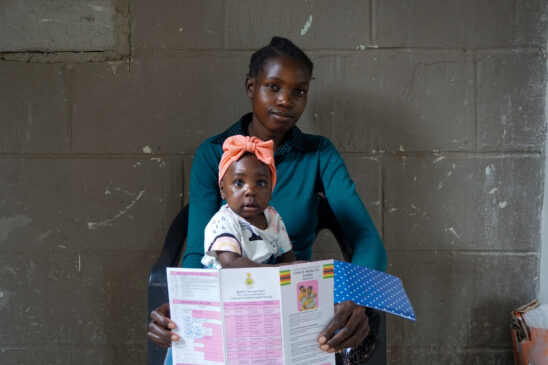
By Gamuchirai Masiyiwa, GPJ Zimbabwe HARARE, ZIMBABWE — First-time mother Connie Jowa stands with her 3-month-old baby nestled against her back, chatting with other mothers in line. Like many women at this crowded clinic in Harare’s Mabvuku suburb, Jowa is trying to get a Child Health Card, which was unavailable when she gave birth at a public hospital, and was still out of reach at her local clinic. Health cards are mysteriously out of stock. But they can be bought under the table, if you know who to ask and…

Read More

Treat the funding cuts like the humanitarian disaster that they are

By Dr Esther C. Casas On February 26th, the US government issued around 5,200 termination letters to programmes worldwide funded by the US Agency for International Development (USAID) and 4,100 funded by the Department of State and the President’s Emergency Plan for AIDS Relief (PEPFAR). These programmes were ordered to shut down operations immediately and permanently. Many provided essential and lifesaving healthcare services for malaria, Ebola, malnutrition, sexual and reproductive health (SRH), HIV and tuberculosis (TB), and vaccination, among other critical health issues. These abrupt terminations came after more than a month of chaos and devastation for…

Read More

HealthTimes Introduces the Zim Medical Doctors Directory

By Staff Reporter In a bold move aimed at curbing the rise of fraudulent practitioners in Zimbabwe, HealthTimes has launched the Zim Medical Doctors Directory. The platform is set to act as a reliable reference point for credible medical services in the country, offering patients a trusted source to find qualified doctors. This comes amid a growing concern over the increasing number of individuals claiming to be medical professionals without proper qualifications, putting patients at risk of being duped and subjected to unsafe treatments. We are introducing this platform not…

Read More

In Uganda, Fake Doctors Cause Serious Damage

By Apophia Agiresaasi, GPJ Uganda KAMPALA, UGANDA — Days after an emergency cesarean section at a private clinic, Barbara Kwarikunda experienced excruciating pain. “I couldn’t eat,” she says. “I would feel pain whenever someone touched me. My stomach was swollen. I felt like something was bursting in my uterus.” Visits to the clinic didn’t help. An examination at a public hospital revealed that the people who operated on her left cotton and gauze in her uterus. They also slightly severed her intestine, which caused internal leaking. She required another surgery…

Read More