By Michael Gwarisa Being the first born child to both parents living with hearing and speech disabilities, 20 year old Cecelia Mhande from Chikangwe Township in Karoi, has not had it easy. Her situation got worse when her father lost his job at a local dealership a few years ago, plunging her entire family into untold economic hardships. Even though she wrote and passed her Advanced Level (A Level) examinations in 2023, her prospects of going into University this year hang in limbo owing to the financial challenges back home.…
Read MoreAuthor: Michael Gwarisa
In Search For An Elusive HIV Vaccine: Zimbabwean Scientists Dig Deeper For Answers after Imbokodo Trials
By Michael Gwarisa Over the past few years, several interventions have been developed as the world intensifies the fight against HIV and AIDS. These include combined strategies such as behavioral, biomedical, and surgical methods to prevent HIV like Voluntary Medical Male Circumcision (VMMC). For other epidemics such as smallpox, polio, measles and COVID-19, vaccines saved the day as they proved to be efficient tools against the further spread of infections. However, for HIV, it has been a different story altogether. On May 18 every year, the world unites to commemorate World…
Read MoreZimbabwe Validates Multi-Sectoral Accountability Framework for TB Findings
By Michael Gwarisa In a bid to accelerate progress to end Tuberculosis (TB) by the year 2030, Zimbabwe has developed and endorsed its Multi-Sectorial Accountability Framework for Tuberculosis (MAF-TB) framework for TB baseline assessment findings. Launched in January 2023 in Zimbabwe, the MAF-TB aims to support the effective accountability of government and all stakeholders in the country, to accelerate progress to end the tuberculosis epidemic; and to be aligned fully with the End TB Strategy and the 2030 Agenda for Sustainable Development. Development of MAF-TB in Zimbabwe was done by…
Read MoreCommunity-based TB treatment highly effective in Togo
By Staff Reporter New research finds that a community-based approach to delivering TB treatment is highly effective at achieving successful TB treatment outcomes in Togo. The Union led the study in partnership with Togo’s National TB Programme (NTP) and the World Health Organization’s Special Programme for Research and Training in Tropical Diseases. The researchers found that 93% of participants had favourable outcomes after six months (e.g. cured and/or completed treatment) through a community health worker-led approach to supervising treatment intake, compared to 78% through a family member supervising treatment intake.…
Read MoreAfrican Region Triumphs Over Wild Polio Type 1
Brazzaville/Lilongwe/Maputo – Following thorough assessments in Malawi and Mozambique, an independent Polio Outbreak Response Assessment Team (OBRA) today recommended the closure of the wild poliovirus type 1 (WPV1) outbreak in Malawi and Mozambique, marking a significant milestone in the fight against polio in the African region. The last WPV1 case in the African Region, linked to a strain circulating in Pakistan, was reported in Mozambique´s Tete Province in August 2022. A total of nine cases were detected in Mozambique and neighbouring Malawi, where the outbreak was declared in February 2022.…
Read MoreUnited For Prevention Coalition Sensitises Parliament on Need to Integrate Drug and Substance Abuse In the National HIV Prevention Response
By Michael Gwarisa In a bid to capacitate members of Parliament with information and share the latest data and trends regarding the scourge of drug and substance abuse in Zimbabwe, SAFAIDS recently held a one-day capacity-building workshop with members from the Parliamentary Portfolio Committee on Health. While traditional methods of administering drugs and substances such as smoking and ingestion remain prevalent, the latest trends such as drug injection and Bluetooth or Flashblood whereby a syringe full of intoxicated blood is passed from someone who has just injected heroin to someone…
Read MoreGEAR Project Boosts Access To Quality Education For Vulnerable School Girls In Three African Countries
By Michael Gwarisa The GEAR (Girls Education Advocacy in the Region) project, an initiative aimed at enhancing access to quality education, has made significant progress in advancing quality education for girls in Zimbabwe, Zambia and Malawi. Valued at US$828 000, the project is a collaborative effort among four organizations from Malawi, Zambia, and Zimbabwe, termed the GEAR Alliance coordinated by SAYWHAT with support from Education Out Loud. Speaking in an interview with HealthTimes, PraiseGod Masunga, the SAYWHAT Regional Coordinator said the primary goal of the project is to contribute towards…
Read MoreZimbabwe Makes Inroads In Addressing Severe NCDs Through The PEN-Plus Strategy
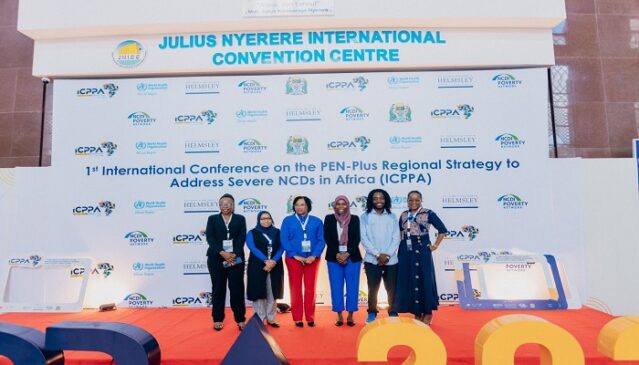
By Michael Gwarisa According to the World Health Organisation (WHO) data, more than 560 000 avoidable deaths occur annually among the world’s poorest children and young adults with nearly 100 000 of these deaths being caused by only four conditions namely Type 1 diabetes mellitus, sickle cell disease, rheumatic and congenital heart disease. Just like most countries in the Sub-Saharan Africa region, Zimbabwe is experiencing a huge burden in Severe Non-Communicable Diseases which, unlike ordinary NCDs, do not get much public health attention despite them accounting for several deaths every…
Read MoreTurning Lemons into Lemonade: How Type 1 Diabetic Survivor Tinotenda Dzikiti Is Conquering The World Stage
By Michael Gwarisa At age 13, in 2010, Tinotenda Dzikiti accompanied his parents for the Christmas holidays in the village. Unbeknown to him, his life was about to change in the coming few days. What started as normal festive mood cravings for fizzy drinks, food and sweet things later turned out to be symptoms of Type 1 Diabetes, a condition he has had to live with ever since. Even in the few weeks preceding the Christmas holidays, Tino started losing weight and developing an insatiable appetite for fluids and sweet…
Read MoreCalls for Africa to Scale Up Newborn Screening for Sickle Cell Disease to Address Growing Burden Get Louder
By Michael Gwarisa Globally, about 8 Million people live with Sickle Cell Disease (SCD), according to the Lancet 2023 data. The disease is largely prevalent in populations with ancestral ties to Sub-Saharan Africa, regions in the Western Hemisphere namely, South America, the Caribbean, and Central America), Saudi Arabia, India and Mediterranean countries such as Turkey, Greece, and Italy. Sickle Cell Disease is a lifelong chronic disease and most of the children born with the disease in Sub-Saharan Africa struggle to access services due to lack of diagnostic tools, and proven…
Read More