By Michael Gwarisa Non-communicable Diseases (NCDs), continue to exert unwarranted pressure on Africa’s healthcare system, with data from the 2022 World Health Organisation (WHO) NCDs progress monitor estimating that between 50 percent and 88 percent of deaths being recorded in seven African countries, mostly small island nations, are due to non-communicable disease. The UN Sustainable Development Goal (SDG) target 3.4 calls for all Member States to reduce premature mortality from non-communicable diseases (NCDs) by one-third in 2030 through prevention, treatment and promoting mental health and well-being. However, over the years,…
Read MoreCategory: Features
Zimbabwe’s TB Financing Timebomb: 95% Of Zimbabwe’s TB Financing Comes from Donors
By Michael Gwarisa Tuberculosis (TB) is by far one of the world’s most ancient diseases, dating back to about 9000 years ago when TB was first detected in humans in Atlit Yam, a city now under the Mediterranean Sea, off the coast of Israel. History has it that Archaeologists found TB in the remains of a mother and child buried together. Despite being a disease from medieval times, Tuberculosis is one of the world’s second-leading infectious killers after COVID-19 (above HIV and AIDS). According to the World Health Organisation (WHO)…
Read MoreAmref Puts A Spotlight On Widening Climate Change Induced Health Inequalities in Africa
“As dire as the situation is, financing for climate adaptation is only a drop in the ocean of what is needed. This scenario has been, and continues to be the reason why Africa is one of the most vulnerable continent.” By Michael Gwarisa As the world commemorates World Health Day, governments around the world are seized with addressing climate change challenges, with the World Health Organisation (WHO) data estimating that between 2030 and 2050, climate change will likely cause approximately 250 000 additional deaths per year, from undernutrition, malaria, diarrhoea…
Read MoreTouching The Light Again After Losing Eyesight In Adulthood: Dorothy Duncan Braille Library’s Legacy To Zimbabwe
By Michael Gwarisa Imagine growing up functioning like any normal child, only to lose your eyesight in your adulthood. Such is the story of 33-year-old Tendai David Muranganwa, who in 2015 lost his eyesight following a severe Meningitis diagnosis. In early November of the same year, before the Meningitis diagnosis, Tendai was involved in a minor car accident which subsequently led to a series of headaches. On November 20, 2015, Tendai was hospitalised and diagnosed with a severe case of Meningitis. According to the World Health Organisation (WHO), Meningitis is…
Read More“I Attempted Suicide Twice:” Songbird Pauline Gundidza Recounts Journey With Drug and Substance Addiction
By Michael Gwarisa Drug and substance addiction is very common in the music industry, and Psychologists have identified several reasons why musicians find it easy to slide into addiction. These range from the easy accessibility of drugs since most of the time musicians play in clubs and pubs where drug peddling is rife. Fame and fortune, immaturity, money, nomadic lifestyles as they tend to be on the roads most of the time, and generally a Laissez-faire kind of attitude have been linked to the high prevalence of drug and substance…
Read MoreRemembering the Zimbabwean Health Care System’s Heyday
By Gamuchirai Masiyiwa, GPJ Zimbabwe HARARE, ZIMBABWE — Wards bustling with highly motivated health care workers, readily available medication, decent salaries, a thriving teaching hospital network — this defined Zimbabwe’s health care system in the 1980s. Back then, it was considered a model of efficiency and effectiveness in Africa. Today, however, the system is broken. Shortages of medical supplies, a crumbled infrastructure, and a mass exodus of health care workers have left the country unable to meet the needs of its people. Among those left questioning the decline is Stella,…
Read MoreTaking Pregnancy Testing To Women’s Doorstep: How Village Health Workers Are Bridging the Maternal Health Divide In Rural Mutare
By Michael Gwarisa Zimbabwe is currently on a positive trajectory regarding maternal health amidst indications of a decline in maternal mortality at the back of numerous interventions by the government and several partners. Data from the Zimbabwe Statistics Agency (Zimstat) Vital Statistics report of 2023 shows that infant and maternal mortality rates have declined by 20 and 36 percent respectively. The 2022 Population and Housing Census data shows that maternal mortality in Zimbabwe reduced from 960 per 100,000 live births in 2010, to 363 in 2022. Despite the milestones recorded,…
Read MoreEl Nino Induced Drought Presents Bleak Future For TB Patients In Zimbabwe As Many Could Discontinue Treatment
By Michael Gwarisa The heat wave is blazing hot in Shurugwi, a small town in the Midlands province, and Brighton Mangwiro (30), is preparing to go to the gold mine shaft where he temporarily works. Due to the El Nino weather patterns, the heavens have not been so generous in the just-ended 2023-2024 cropping season, and many farmers in Shurugwi are already counting their losses. This has pushed more young men, and women in the area into artisanal gold mining in a bid to fend for themselves and loved ones.…
Read MoreBecoming a Nurse Practitioner: What To Expect
Nurse practitioners play a pivotal role in healthcare, offering a blend of nursing and healthcare services to patients across various settings. Depending on state laws, they can diagnose and treat medical conditions, prescribe medications, and even lead their clinics. For those contemplating this rewarding career, understanding the educational requirements, licensure, day-to-day responsibilities, and potential for growth is crucial. As you embark on this educational journey, you might explore different scholarship and honor programs to support your academic and professional development. However, it’s vital to approach these opportunities with caution. The…
Read More10 Minutes In The Shoes Of Zim’;s First Video-Assisted-Thoracoscopy-Surgery (VATS) Patient
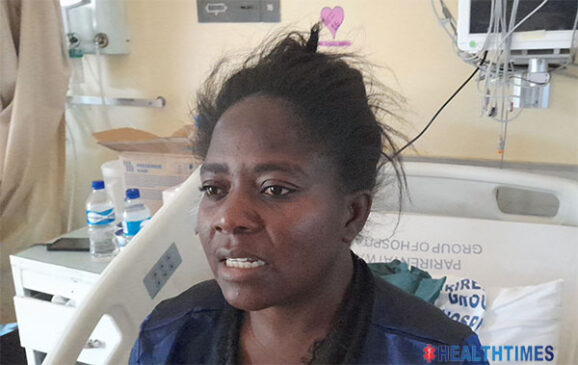
By Kudakwashe Pembere On March 1, 2024, donning a purple silk night gown, Tatenda Nyakutya is admitted in Ward B5 for females as she awaits to see her 17-year-old child whom she last saw about a week prior her surgery. Despite the pots surgery pain, Tatenda’s sense of humor gets the best of her as she finds time to crack one or two jokes with her relatives. “So in 2022, I collapsed and they rushed me to Nyanga District Hospital,” says Tatenda as she shuffles through a medicine bag containing…
Read More