One year after adopting a new Political Declaration on HIV and AIDS: Ending Inequalities and Getting on Track to End AIDS by 2030, United Nation’s Member States have highlighted the need to work together to speed up progress on implementation. By Ben Phillips In advance of the meeting, the UN Secretary General released a report entitled Tackling inequalities to end the AIDS pandemic on the implementation of the political declaration on HIV/AIDS. The report sets out how inequalities and insufficient investment “leave the world dangerously underprepared to confront the pandemics…
Read MoreCategory: Features
BLH Zimbabwe: Patience and perseverance are the keys to success, despite the hardships
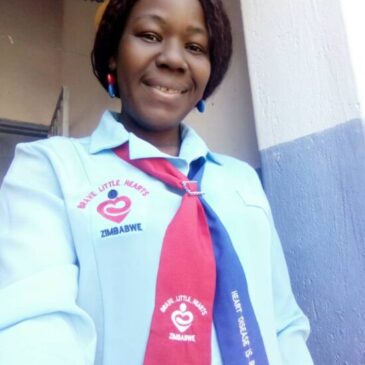
In early June Brave Little Hearts Zimbabwe participated in our National Youth Business Expo, as we are looking at establishing sustainable projects to help empower our communities to attain financial freedom. By Tendai Moyo This is so important because donors are hard to come by, and the financial burden of heart communities is so huge. Our target is to be self-sufficient by 2023 so we can meet every financial need, including surgeries, fees, medications, and hopefully, a community-owned heart centre. As much as we are awaiting government intervention, we…
Read MoreUsing Community Footprint To Eliminate New HIV Infections In Sex Workers
Spiwe Chikwawa (49), a sex worker from Mutare has been in the sex work business for two decades now. However, a few years ago, Spiwe developed a rare Sexually Transmitted Infection (STI). In her own words, she says this particular STI takes the trophy in the history of all stubborn STIs as it became resistant to treatment at some point only to disappear after it had resurfaced for the third time. By Michael Gwarisa in Mutare Due to a prolonged period with the STI, she also developed a pungent and…
Read MoreHigh level of resistant bacteria circulating in the environment, food chain and community: A call to strengthen One Health Surveillance on antimicrobial resistance in Zimbabwe
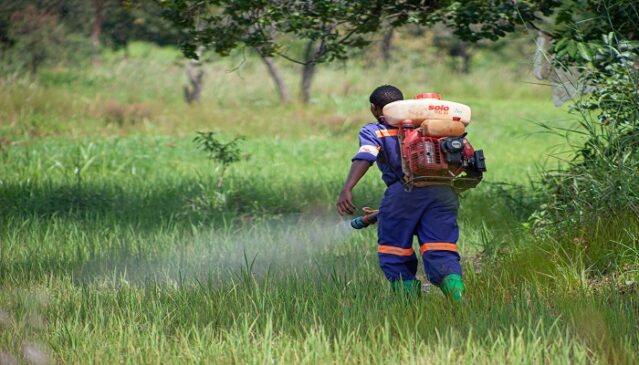
Kadoma, Zimbabwe – Antimicrobial resistance (AMR) is a threat to global public health, which involves the human, animal, plants, food, and environment sectors. AMR happens when germs like bacteria and fungi develop the ability to defeat the drugs designed to kill them. As a result, the medicines become ineffective, and infections can persist in the body and/or spread to others. This increases illness and even deaths in humans, animals and plants. It also has implications for food safety, food security and the economic well-being of millions of people. By Tatenda Chimbwanda…
Read MoreSupporting HIV services for flood survivors in KwaZulu-Natal
Since floods killed 440 people and left many thousands more homeless last week in KwaZulu-Natal (KZN), South Africa, UNAIDS has been working with communities, civil society and government leaders to respond. Own Correspondent Together with the UN system in South Africa, donors and other partners, UNAIDS has been urgently evaluating the needs of thousands of people living with HIV who were directly impacted by the flash flooding. Swollen rivers and landslides damaged more than 600 schools and 66 health care facilities, while many homes have been left without running water…
Read MoreHere are five ways MSF teams are supporting malaria prevention in Tanzania:
Preventing and treating malaria in Nduta Camp and neighboring villages Monday, April 25, 2022 — In Kigoma region, in north-western Tanzania, Médecins Sans Frontières (MSF) has been providing health care to Burundian refugees living in Nduta camp, as well as Tanzanians in neighbouring host communities for over eight years. During the rainy season, malaria is highly endemic, leaving its residents vulnerable to contracting malaria year-round. The risk of exposure to malaria is especially high in February, March and April, due to the rainy season, when stagnant water and puddles offer…
Read MoreOver 1 million African children protected by first malaria vaccine
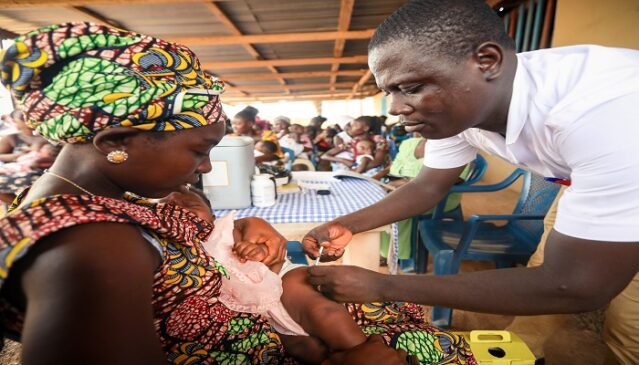
MORE than 1 million children in Ghana, Kenya and Malawi have received one or more doses of the world’s first malaria vaccine, thanks to a pilot programme coordinated by WHO. The malaria vaccine pilots, first launched by the Government of Malawi in April 2019, have shown that the RTS,S/AS01 (RTS,S) vaccine is safe and feasible to deliver, and that it substantially reduces deadly severe malaria. These findings paved the way for the historic October 2021 WHO recommendation for the expanded use of RTS,S among children living in settings with moderate…
Read MoreGirls Share First Time Menstruation Experiences
ONE way in which women graduate from girlhood into womanhood is through menstruation or having a period. A period is normal vaginal bleeding that occurs as part of a woman’s monthly cycle. Every month, a woman’s body prepares for pregnancy. If no pregnancy occurs, the uterus, or womb, sheds its lining. The menstrual blood is partly blood and partly tissue from inside the uterus. By Michael Gwarisa A girl’s first period is a major milestone in her life and girls should celebrate this monthly natural occurrence as it’s just proof…
Read MoreFrom Heaven To Hell In 12 Months: A GBV Survivor’s Story
NOMAGUGU Hurumba (22) is an orphan and a single mother to a three year old son. Growing up in Chiredzi, especially after the demise of her parents was never easy. To compound her woes, when she was in Form 3, Noma had to drop out of school after her siblings had indicated that they were no longer able to shoulder her school fees burden. By Michael Gwarisa recently in Chipinge She moved from Chiredzi to stay with her sister in Chipinge. However, persistent economic hardships in the country pushed her…
Read MoreFramework for Action for Male Engagement in HIV testing, treatment and prevention in East and Southern Africa
Men and boys are less likely to test for HIV, to initiate antiretroviral therapy (ART), to remain engaged in care, and are therefore dying of AIDS-related illnesses and many other diseases at disproportionately higher rates than their female counterparts.[i] This has become increasingly clear over the last decade. Own Correspondent Globally, ART coverage of men lags behind that of women. In many countries in Eastern and Southern Africa, the region with the highest HIV burden, more than half of men aged 24-35 years living with HIV are unaware of their…
Read More