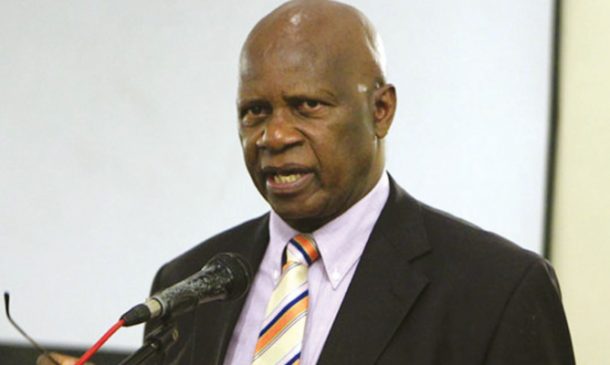
By Michael Gwarisa In Nairobi Kenya VETERAN Zimbabwean Journalist, Barnabas Tondhlana has been unanimously endorsed to chair the newly formed East and Southern Africa Harm Reduction Health Reporters Initiative. The initiative was formed on November 2017 in Naivasha, following a convention by tobacco industry stakeholders on tobacco harm reduction. The group consists of over 60 journalists drawn from Nigeria, Botswana, Ethiopia, Kenya, Lesotho, Malawi, Mozambique, Namibia, Rwanda, Swaziland, Tanzania, Uganda, South Africa, Zambia, and Zimbabwe. Tondhlana has more than 20 years Journalism experience and has headed various news organisations in…
Read MoreCategory: Health Jobs
UNAIDS Calls To Quicken Action To End AIDS
The President of Uganda, Yoweri Museveni, in collaboration with UNAIDS, brought together six heads of state or government to accelerate action and get countries on the Fast-Track to end AIDS. World leaders joined around 500 partners from government, the private sector and civil society on the sidelines of the United Nations General Assembly to reinvigorate political leadership around HIV. The Fast-Track approach is saving more and more lives. In 2016, 19.5 million people—more than half the 36.7 million people living with HIV—were accessing life-saving treatment. The number of people who…
Read MoreRwanda Overtakes Zimbabwe On Health Funding
By Michael Gwarisa ZIMBABWE continues to lag behind in terms of allocating domestic financial resources to the health sector, falling far behind civil war stricken countries like Rwanda. According to a report dubbed “The African Regional Framework For The Implementation Of The Global Strategy On Human Resources For Health :Workforce 2030” which was presented during the ongoing WHO 67th Regional conference in Vic falls, Rwanda was amongst the few African countries which managed to meet the Abuja Declaration target which states that governments should at least dedicate 15 percent towards…
Read MoreCouncil Must Do More To Contain Typhoid: Experts
SOURCE: The Herald Failure by Harare City Council to provide basic water and sanitation services to its residents is fuelling the outbreak of water borne diseases such as typhoid and cholera, health experts have said. Water-borne diseases, the experts said, were primitive in this era. As such, the specialists called for the city to venture into private partnerships with developmental partners in order to resuscitate infrastructure which is failing to cope with the growing population. The sentiments by the experts come after the death toll from typhoid in Harare has…
Read More