The Intersection of Unpaid Care Work and Cholera In Zimbabwe: The Untold Tales of Women in Rural Settings
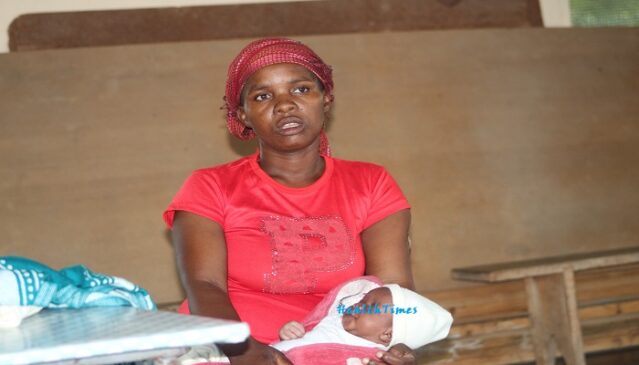
By Michael Gwarisa in Buhera Data from previous epidemics show that women and girls take on the bulk of unpaid or poorly paid care work in families and communities when formal health systems are unable to cope with the rising tide of infections. When COVID-19 hit in 2020, healthcare workers were overwhelmed with managing a novel but highly infectious respiratory infection. The growing demand for care in the context of the COVID-19 crisis deepened already existing inequalities in the gender division of labour, placing a disproportionate burden on women and…

Read More

Zimbabwe: MSF Outreach Program Tackles TB, HIV, and Silicosis Among Miners

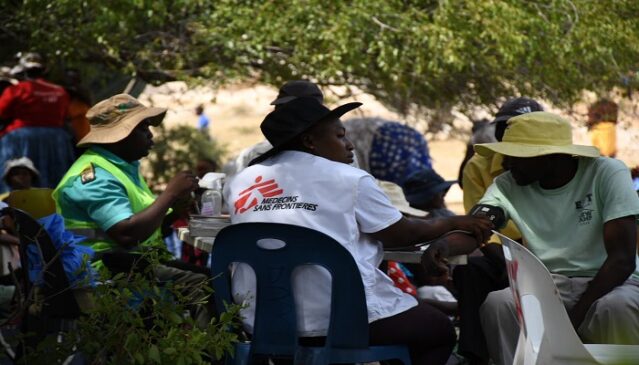
By Own Correspondent Limited access to primary health services in artisanal and small-scale mining characterises the harsh realities of excessive exposure to silica-containing dust, overcrowding and poor living conditions. Zimbabwe is currently experiencing a high burden of TB, silicosis and HIV among communities of small-scale and artisanal miners. Multi-sectoral and innovative interventions are required to stem this triple epidemic in Zimbabwe. The risk of silicosis increased due to the severity of exposure to silica dust. Silicosis is a lung disease that comes as a result of exposure to silica, which…

Read More

Health Ministry in US$9m Health Resilience Fund boost

By Kudakwashe Pembere Zimbabwe’s Health and Child Care Ministry received medicines and equipment for use in maternal and neonatal care as well as cholera care from the Health Resilience Fund worth over US$9 million. Speaking at the handover ceremony held at the National Pharmaceutical Company (NatPharm) warehouse, Deputy Health and Child Care Minister Honorable Sleiman Kwidini commended the funding and implementing partners of the HRF for procuring these medical essentials noting they will take the country to greater heights in its quest to provide quality healthcare. “You know how difficult…

Read More

Biden administration plans major cuts to AIDS relief programs in Africa

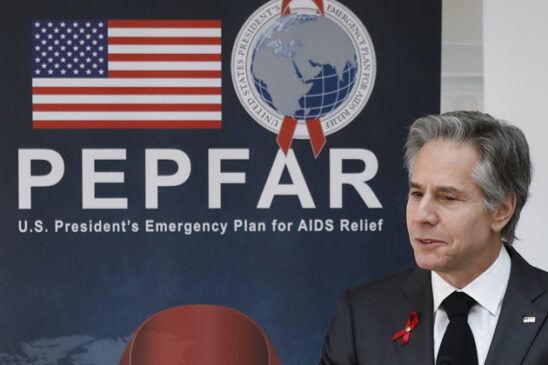
The Biden administration plans to cut funding by more than 6 percent in fiscal 2025 from the President’s Emergency Plan for AIDS Relief, the 21-year-old program credited with saving millions of lives in Africa, a senior PEPFAR official told POLITICO. The State Department, which oversees the program, confirmed the cuts. The department has gradually spent down a glut in the PEPFAR budget from years in which funding from Congress exceeded State’s ability to spend it, said a department spokesperson who, like the PEPFAR official, was granted anonymity to discuss sensitive…

Read More

WDN takes a 365 day stand against GBV

By Kuda Pembere The Women Democracy Network (WDN) following 10 days of activism against gender based violence has extended this to 365 days taking the campaign online and via media. The organization also champions the rights of women not only in GBV but in gender-responsive policy making. The campaign, titled “365 Days of Action for Gender Equality,” aims to raise awareness and stimulus conversations about the harmful effects of gender-based social norms and promote policy changes that address gender inequalities. “The campaign, which ran from 17 June to 26 June…

Read More

TM PicknPay donates 3000 blankets to Zim hospitals

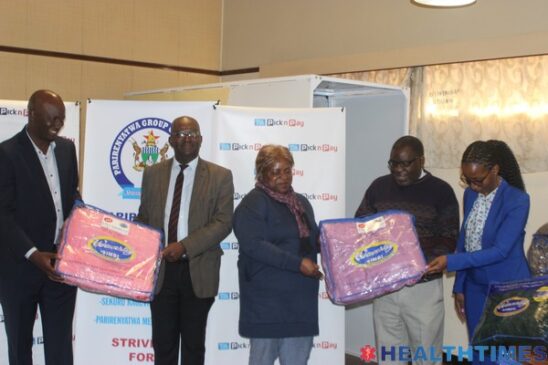
By Kuda Pembere One of Zimbabwe’s biggest shopping retailers TM PicknPay donated 3000 blankets to 12 public hospitals in the country on Wednesday. The blankets come at the nick of time when the country is experiencing a cold spell which has left many hospitalized. Ministry of Health and Child Care Public Health Chief Director Dr Maxwell Hove in a speech read on his behalf by Sally Mugabe Central Hospital Acting Chief Medical Officer Dr Hopewell Mungani said the donation is a show of commitment to complement government’s efforts of improving…

Read More

Polygamous Communities Have Lowest HIV Burden In Zimbabwe

By Michael Gwarisa HIV estimates in Zimbabwe show that HIV prevalence and the number of new infections in communities that practice polygamy are lower compared to other settings, HealthTimes has learnt. The HIV response in Zimbabwe emphasizes the need for sexually active individuals to have not more than one sexual partner as having multiple concurrent partners increases the risk of HIV infection. Numerous studies have been conducted in other parts of Sub-Saharan Africa showing that polygamy was a risk factor for new HIV infections. However, it seems some cultural practices…

Read More

How to Promote Menstrual Cups as an Economic and Sustainable Option

Researchers investigate consumers’ preferences on menstrual products and devise guidelines to bolster the adoption of menstrual cups in different countries. Although menstrual cups (MCs) are a sustainable alternative to sanitary napkins and tampons, their adoption remains quite limited for reasons that are not entirely clear. Now, in a recent study, an international research team sought to understand consumers’ preferences regarding menstrual products through online surveys. Their efforts reveal that the cost-effectiveness of MCs may be their strongest selling point, and that promotional strategies tailored to each country could make MCs…

Read More

AHF Zimbabwe commemorates Day of African Child

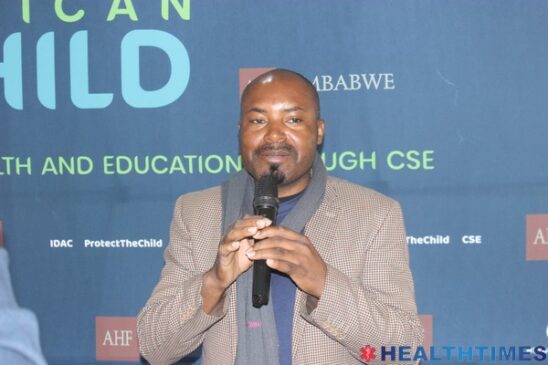
By Kuda Pembere The AIDS Healthcare Foundation (AHF) Zimbabwe belatedly commemorated the Day of the African Child at the Village of Hope in Harare educating pupils from various schools in Mabelreign district on the dangers of early sexual encounters and early child marriages. At a time when the country is battling with early child marriages and teenage pregnancies through comprehensive sexuality education (CSE), AHF Zimbabwe Prevention Manager Mr Clever Taderera said the event was themed, “fostering health and education through CSE.” “Today, we have been commemorating a day of the…

Read More

Zimbabwe’s Mhuri/Imuli II and SHASHA Projects Get US$25 Million Jab

By Michael Gwarisa in Rusape The United States Agency for International Development (USAID), has launched two projects with a combined value of US$25 Million in a bid to improve the lives of mothers, babies, and young women in Zimbabwe. The two projects, Mhuri Imuli II and the Sexual Health Services program (SHASHA) programs will be implemented over the next five years. The Mhuri/Imuli II is set to expand its geographic coverage and strengthen health services for mothers and babies to five provinces namely Manicaland, Masvingo, Midlands, Matabeleland South, and Mashonaland…

Read More