SEX workers are inserting cotton and cloths inside their private parts to prevent themselves from contracting sexually transmitted infections and unwanted pregnancies, a practice that has been vehemently condemned by sexual reproductive health experts. By Michael Gwarisa Speaking at a gathering for Sex Workers this morning in Strataven, Harare, sex workers confirmed that they insert fabrics inside their vaginas to prevent them from falling pregnant as the material sucks in semen in the event of a condom bursting or when they meet clients who demand unprotected sex. “I joined sex…
Read MoreCategory: HIV/AIDS
96 percent of People On ART Still on First Line Regimen
Director, AIDS and TB Programme in the Ministry of Health and Child Care Dr. Owen Mugurungi says 96 percent of people living with HIV (PLHIV) and on Antiretroviral Therapy (ART) are still on the first line regimen owing to comprehensive HIV treatment and prevention efforts by government and development partners towards fighting the epidemic. By Michael Gwarisa Addressing delegates at the handover of new ART sites and Pharmacy stores in the capital, Dr Mgurungi said Zimbabwe had made strides in reducing the impact of the epidemic and improving ART adherence…
Read MoreFarm Employers Bar Workers From Collecting ARVs
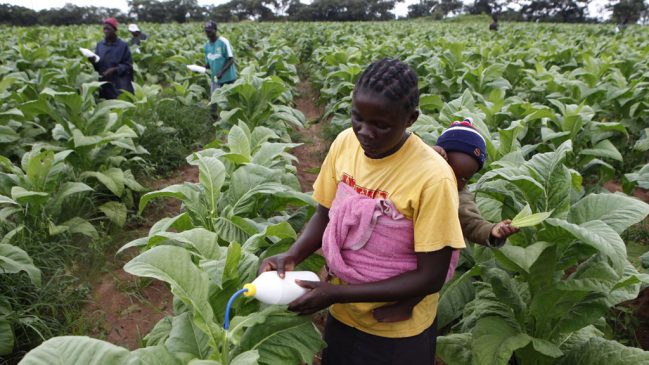
FARM owners and mangers in Mashonalnd East are reportedly barring HIV positive employees from going for their Anti Retro Viral (ARVs) drugs refill run at nearest health institutions owing to hectic schedules in farming communities, HealthTimes has learnt. By Michael Gwarisa According to revelations made during a recently held National Aids Council (NAC) media tour in Mashonland East, most farm workers are not given off days to collect their drugs hence making it difficult for people living and HIV and on ART to adhere to their meds. Speaking to Journalists,…
Read MoreHIV Infections To Rise In Young Women In Sub Saharan Africa- Experts Blame Blessers
PUBLIC health experts have warned of a rise in new infections in young girls in Sub Saharan Africa owing to various factors chief among them being poverty which exposes them to the insatiable desires of older men who have greater financial muslcle. Quarraisha Abdool Karim, Caprisa’s associate scientific director said, “You’ve got this ongoing cycle” of transmission fed by a constant supply of girls reaching teenhood. In a 2016 study, she and other researchers at Caprisa found that women ages 15 to 24 in Vulindlela , South Africa and a…
Read MoreMoonlight Testing Effective Tool In HIV Hotspots
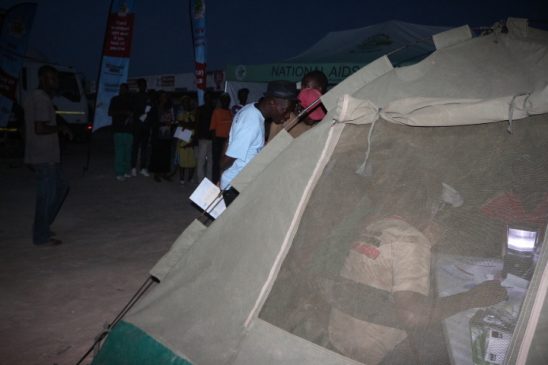
PEOPLE coming for HIV, Sexually transmitted infections (STIs) and cervical cancer screening services during moonlight testing sessions are more compared to those who seek Sexual Reproductive Health (SRH) services during the day at major hotspots in Mashonaland East. By Michael Gwarisa in Mash East The program is dubbed moonlight because the tests take place at night to help protect those who fear being stigmatised by being seen visiting the centres during the day. According to the National Aids Council District Aids Office for Mrehwa, the open air daylight session at…
Read MoreBarriers Preventing Adolescents From accessing SRH services In Zim
In Zimbabwe, a host of barriers are preventing adolescents, defined as aged 10 to 19 years, from accessing sexual and reproductive health (SRH) services safely and confidentially without the consent of their parents. HealthTimes Reporter Without free and informative access to health services that include contraceptives, treatment for sexually transmitted infections and condoms, national studies show that rates of adolescent pregnancy and HIV are increasing, while knowledge levels around sexual health are declining. One study revealed that Zimbabwe has the highest teenage fertility rate in sub-Saharan Africa with one in…
Read MoreCATS Driving ART Adherence In Children At Grassroots
COMMUNITY Adolescents Treatment Supporters (CATS) an Africaid, Zvandiri initiative which focuses on promoting HIV prevention, treatment and care for children living with HIV, has broken societal barriers to prevention through initiating well planned treatment adherence and tracking systems. By Michael Gwarisa in Mashonaland East Speaking during a National AIDS Council (NAC) Media tour, Zvandiri Mentor, Tinashe Chigadza said the CATS program had proven to be a force to reckon in promoting HIV prevention, treatment and adherence to medication amongst young people in Mashonalnd East. “My main role is to supervise…
Read MoreNAC To Establish 30 Static Sites For Sex Workers
THE National Aids Council (NAC) is in the process of setting up 30 Static Health Sites around the country and boarder posts which will attend to Sexual Reproductive Health and Rights (SRHR) of sex workers (SWs) amidst indications that HIV prevalence amongst sex workers continues to rise nationally. By Michael Gwarisa In an interview with HealthTimes on the sidelines of a Zimbabwe Aids Network (ZAN) organised breakfast meeting between Civil Society and the Business Sector on sustainable economic options and livelihoods for Key Populations (SWs and Prisoners), NAC Key Populations…
Read MoreNevirapine shortage plunges mothers into panic
A national shortage of a key preventive medicine, Nevirapine, has heightened the risk of pregnant HIV-positive mothers passing the virus to their children. Information gathered by The Herald showed that Nevirapine syrup for neonates, which should be administered to babies within 72 hours of birth, has been in short supply countrywide since last year, with health institutions handling a large number of deliveries worst affected. SOURCE: THE HERALD Buy A Copy of The Harald for More details on the issue
Read MoreMyTherapy App Helps HIV Patients Adhere To ARV Timetables
HIV prevalence remains high in Zimbabwe, with recent statistics indicating that there are approximately 1.3 million people living with HIV in the country. In 2016, there were 40 000 new HIV infections and 30 000 AIDS-related deaths. However, there is some hopeful news amidst these worrying statistics. By Tracey Ruff Guest Writer Firstly, around 75% of adults living in Zimbabwe are on antiretroviral treatment – a number that is relatively high when compared to other countries in Africa – and secondly, international donor sources are channelling money into helping the…
Read More