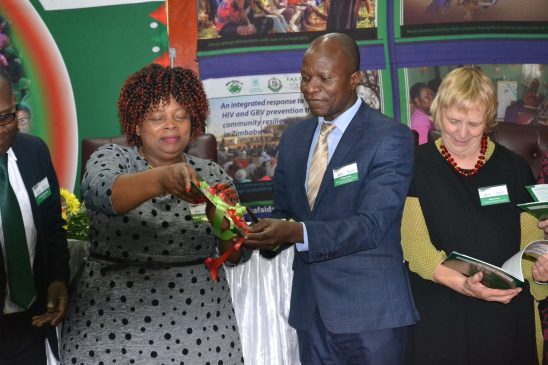
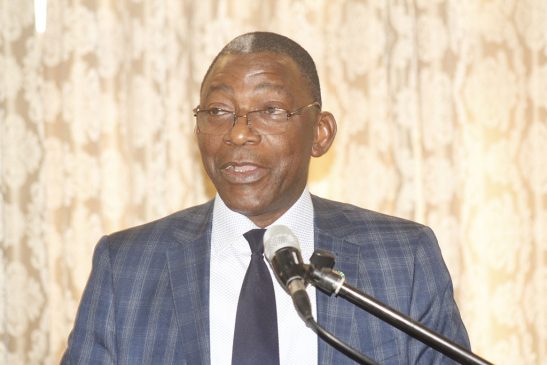
….Women say GBV has gone down from SafAids Initiatives at rural community level …School dropout cases drastically reduced in Marange area Southern Africa HIV and AIDS Information Dissemination Service (SAfAIDS) this morning (16/05/18) launched the Best Practice Book, a detailed piece which documents some of the most successful stories the organisation and its partners have achieved in some of the most marginalized rural communities in Zimbabwe. By Michael Gwarisa The Book titled “Integrating HIV and GBV Prevention Through Community Resilience Building: Success Stories from Zimbabwe,” is testimony of some of…
Read MoreCategory: Nutrition
Communities Raise Red Flag Over Gaps In Gazetted Public Health Bill
COMMUNITIES say the newly gazetted Public Health Bill (PHB) is a noble document but still needs to be worked on to address public health issues at community level. By Michael Gwarisa The development comes in the midst of ongoing Public feedback meetings on the PBH which kicked off this week in Mutare. The Community Working Group on Health (CWGH), a Non Governmental Organizations which represents and drives health issues on behalf of communities says the new bill is silent to a number factors which directly impact health at community level…
Read MoreSave The Children Expands Nutrition Project to 7 More Districts
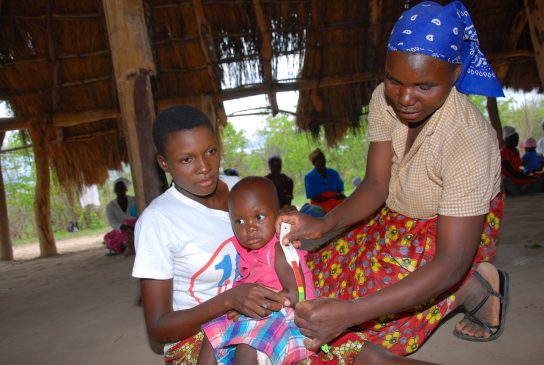
SAVE the Children Zimbabwe has extended its nutrition project to seven more districts amidst indications that they intend to reach at least 231,168 with active screening for acute malnutrition and ensure early detection and treatment of acute malnutrition. By Michael Gwarisa The increase in the coverage area brings the total number of districts under the Save the children nutrition program to 12. In an interview with HealthTimes, Save the Children Zimbabwe Nutrition manager Tendai Gunda said they had taken the nutrition program to these seven new districts to make them…
Read MoreHow To Attain a Four Star Diet Out of Little…A Look Into Staples
We normally don’t struggle much to attain this star Our staple (sadza) is the most common food we can eat from this group. This sadza can be made from maize, millet or sorghum. By Tendai Gunda But in addition to these foods, rice as well as roots and tubers such as potatoes, sweet potatoes, tsenza, cassava, yams are all foods we can consume to attain this precious star. So remember that delicious dish with rice and potatoes and soup, or sadza and potatoes only gives you one star!! So maybe…
Read More“Chigubhu Gear”, Tackling Water and Sanitation At Grassroots Level
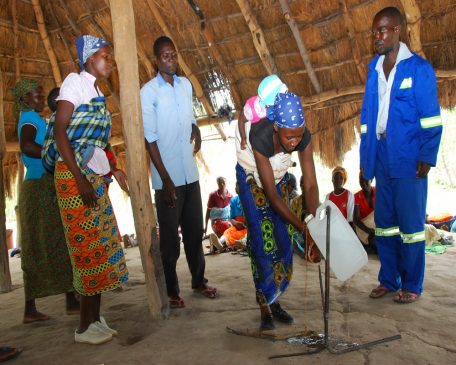
By Michael Gwarisa recently in Siakobvu, Kariba GOVERNMENT in partnership with Save the Children and other non governmental organizations has embarked on widespread Nutrition, Water, Sanitation and Hygiene (WASH) projects in various districts around the country. According to Water and Sanitation experts, poor adherence to sanitation and hygiene expectations could lead to serious malnutrition cases as a result of diarrheal diseases which cause severe wasting of the body especially in children below the age of five. Adhering to basic WASH requirement is simple, just ensure you have access to clean…
Read MorePolygamy Hampers Nutrition Interventions in Binga
By Michael Gwarisa in Binga, Matelele POLYGAMY is one oldest practice in African culture including Zimbabwe. Back in the day, having more than one wife was a sign of power and wealth and men could be revered for exhibiting such capabilities. More women would translate to greater yields and productivity in the fields was guaranteed as the women would bear more children who would work in the fields hence making him a household name in the community. In modern-day Rural Matelele Village in Binga, Polygamy is not a crime and…
Read MoreThe Nomads Of Siakobvu…A Sad Reality Caused By Droughts and Malnutrition
By Michael Gwarisa in Kariba, Siakobvu A 350 kilometer drive through the woods and dense forest from Kariba town through a meandering dusty and partially gravel road leads one to an almost invisible settlement called Siakobvu in Nyaminyami rural district. Every year, the people in the area have to contend with little food hand-outs they get from well-wishers and non-governmental organisations owing to the perennial hunger and critical food shortages the community experiences annually. Even though some farmers in the area have already commenced land preparations for the 2017/18 cropping season,…
Read MoreKariba District Records Decline In Malnutrition Cases
By Michael Gwarisa In Kariba KARIBA District has recorded a decline in malnutrition cases since 2016 owing to rigorous interventions by the ministry of health in collaboration with Save the Children. In an interview on the sidelines of a media sensitisation tour in Siyakobvu, Save the Children Nutrition Officer, Talent Kadungu said malnutrition has been on the decline since the adoption of the interventions in the various districts including Kariba and Binga. “Kariba has been one of the most affected regions in the country with cases of severe malnutrition and…
Read MoreRural Districts lagging Behind In Quality Health Provision
By Kudakwashe Pembere The district risk profiles launched on Tuesday in Harare have revealed that there is a huge gap in the provision of quality health in most rural areas in Zimbabwe. Speaking in an interview, Food and Nutrition Council head of programmes Blessing Butaumocho said the nation does not have the required health institutions and practitioners. ” In terms of basic health facilities, the basic story is that generally we can do with more health facilities, we can do with more health service practitioners. “Currently we don’t have enough…
Read MoreZim Children Threatened By Stunting
By Kudakwashe Pembere STUNTING is proving to be a big menace to proper child nutrition, growth and development in Zimbabwe and if not nipped, could lead to a double burden of child malnutrition and over nutrition, a Food and Nutrition Council official has said. The World Health Organisation defines stunting as the impaired growth and development that children experience from poor nutrition, repeated infection, and inadequate psychosocial stimulation. Children are defined as stunted if their height-for-age is more than two standard deviations below the WHO Child Growth Standards median. Speaking…
Read More