Multi-stakeholder approach key in NTD elimination
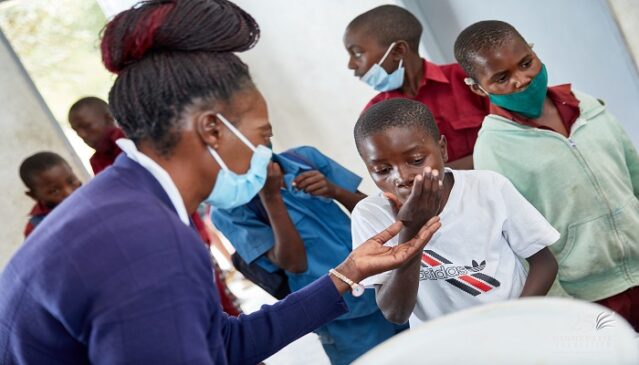
By Dr Kennedy Mubaiwa, Higherlife Foundation CEO Tadiwa, an 11-year-old Grade six student in rural Zimbabwe has missed school for more than a week. She has a distended stomach, nausea, pain, and dizziness. Tadiwa is well known for playing in a nearby stream, the only water source for her village. Today Tadiwa visited the clinic, where she was diagnosed with intestinal worms otherwise known as soil-transmitted helminths (STH) and treatment was started immediately. Intestinal worms are one of the Neglected Tropical Diseases (NTDs) affecting more than 1 billion children worldwide.…

Read More

Unpacking Zimbabwe’s post abortion care responsibility and gaps

By Memory Pamela Kadau Across the world, abortion related complications constitute part of the major reasons women seek emergency obstetric care. According to the Post Abortion Care Consortium, Post abortion care (PAC) consists of emergency treatment for complications related to spontaneous or induced abortions. It also includes family planning and birth spacing counseling, and provision of family planning methods for the prevention of further mistimed or unplanned pregnancies that may result in repeat induced abortions. Comprehensive PAC also includes services such as medical assessment for sexually transmitted infections, including HIV/AIDS.…

Read More

Abortion is not illegal but restricted in Zimbabwe

By Memory Pamella Kadau Zimbabwe’s Termination of Pregnancy Act (TOP) provides a legal framework on when and how can women and girls access safe abortion services. The Act provides only three grounds under which pregnancy can be lawfully terminated in the country.  It further provides that pregnancies can only be terminated by a registered medical practitioner and authorized by a court order. However, these grounds are very narrow and result in a many women and girls seeking unsafe abortions every year which expose them to health complications and death. The…

Read More

Access to abortion is critical for women socio-economic growth

By Memory Pamela Kadau The economy is often described as consisting of firms, government and households. Economic activities of households are determined by income, savings and what they can spend on such basics as health, food, education and clothing, socials amongst other recurrent needs of households. Of critical importance for the economic balance of the household is the number of dependents in each household. Children constitute the majority of dependents in households and meeting their needs takes up a significant amount of the household budget. In Zimbabwe, the government doesn’t…

Read More

Making the schools’ sanitary wear budget work for girls

In 2020 there was a landmark development in the menstrual health management space, following the signing of the Education Amendment Act into law by President Mnangagwa. We celebrated Section 4(1a) of the Act which requires the State to “ensure the provision of sanitary wear and other menstrual health facilities to girls in all schools to promote menstrual health.” This legislation makes it a legal obligation for government to provide free sanitary wear to all school girls. By Theresa Nyava-Machadu The background of this legislation is that many school girls were…

Read More

Going Beyond The Legal Framework On Abortion To Save Lives of Women and Girls

By Edinah Masiyiwa Nokutenda Hwaramba was a 15-year-old girl who recently died at a shrine whilst giving birth. Her life, like that of other pregnant girls giving birth in shrines, was cut short for preventable causes and this angers me so much. One of the reasons given for why girls like Nokutenda did not deliver safely in a health center is “church doctrine,”’ which left them under the care of untrained religious people. One wonders why such a doctrine is still allowed in Zimbabwe, a country which signed the Maputo…

Read More

All You Need To Know About Breast Cancer

By Marjory Haruwandwi Bayayi: Bachelor Of Science In Nursing Science Student at University Of Zimbabwe Breast cancer is the uncontrolled proliferation (increase) of cells and it comes in various forms. This is determined by the location of cancer in the breast. A breast is made of three main parts namely the lobules, ducts, and connective tissue. The lobules are linked to the ducts. The ducts are thin tubes where milk flows from the lobules leading to the nipple. The breast has no muscle. Most cancers develop in the ducts or…

Read More

Values clarification workshops to improve abortion knowledge and attitudes: Post assessment

By Mufaro Musiyazviriyo The Termination of Pregnancy Act of 1977 states that it is illegal to terminate a pregnancy unless it has been sanctioned by Government authorities which includes, the court and state hospitals agreeing that the pregnancy in question was as a result of unlawful intercourse (rape/incest). The Act also allows for termination of pregnancy if the pregnancy endangers the life of the women or the child to be born will suffer from a physical or mental defect of such a nature that they will permanently be seriously handicapped.…

Read More

Adolescents: the face of unsafe abortion: Time to act

By Mildred T. Mushunje (PhD) Background Abortion is a public health and human rights issue which remains highly stigmatized regardless of efforts to liberalise it. Zimbabwe is one of the countries with high cases of unintended pregnancies among adolescent girls, which contributes to unsafe abortions (ZDHS, 2015) and these account for about 5% to maternal deaths (Ministry of Health, 2015). Contrary to populist belief, abortion is permitted under the colonial Termination of Pregnancy Act of 1977 which allows for abortion under the specific circumstances of rape, incest and to save…

Read More

Abortion conversation must recognize women’s bodily autonomy and integrity

By Memory Pamella Kadau The previous installments touched on the legal regime regulating abortion in Zimbabwe having previously established that abortion doesn’t pose a moral dilemma. If anything, abortion services are part of the basic health needs for tens of thousands of women each year in Zimbabwe. That the law proscribes safe abortion by choice, limiting it to exceptional cases of medical emergencies, rape and incest is an act of injustice which undermines this right. This article will look at the dimension of how existing abortion regulation undermines the fundamental…

Read More