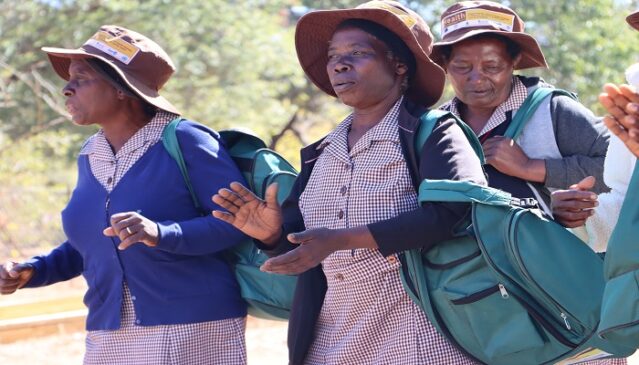
By Jane KALWEO The world is significantly off course in meeting the gender targets set by the Sustainable Development Goals (SDGs). At the current pace, it will take an estimated 300 years to eradicate child marriage, 140 years to achieve equal representation of women in positions of power and leadership in the workplace, and 47 years to attain equal representation in national parliaments. As of December 2023, women’s representation in Zimbabwe’s Parliament stood at 34%, falling short of global targets on gender parity in legislative bodies. However, evidence has shown…
Read MoreCategory: Opinion
Why Zimbabwe Needs a Multidisciplinary and Inclusive Public Health Association
By: Enock Musungwini, MPH, MBA Public health associations play a crucial role in advocating for measures to improve the health and well-being of populations. They work collaboratively with governments, civil society organizations, and various stakeholders to address national and global health challenges. Unfortunately, Zimbabwe lacks a multidisciplinary public health association, which is a significant weakness for the country. In the context of public health, a multidisciplinary association is one that includes professionals from various fields, such as epidemiology, biostatistics, environmental health, health policy and management, political science, social and behavioral…
Read MoreWomen Organisations Should Prioritize Self-Care Programmes
By Edinha Masiyiwa In my 20 years of experience promoting and defending women’s rights, I have observed that many women, including myself, work without resting. It was only recently in December 2023 when I enrolled in a “How Women Lead” fellowship programme that I reflected on how much I have focused on work without paying particular attention to self-care. I am now on treatment for high blood pressure and it was probably a lack of self-care during my 40s that contributed to this development. In many spaces, I have heard…
Read MoreHope on the Horizon for Zimbabwe as health Ministry Signs Comprehensive abortion Care Guidelines
By Edinah Masiyiwa The Acting Chief Director for Public Health, Dr W Nyamayaro, has signed off on the National Comprehensive Abortion Care (CA) Guidelines for Zimbabwe after more than a year waiting period. These guidelines follow the World Health Organisation’s Post Abortion Care Guidelines of 2022. These guidelines will go a long way in saving many women and girls’ lives in Zimbabwe through comprehensive abortion care. The CAC guidelines articulate the burden of unsafe abortion on the health delivery system as they highlight that each year, 4.7–13.2% of maternal deaths…
Read MoreReducing Unsafe Abortions through Family Planning
By Dr Munyaradzi Murwira Background According to the World Health Organisation (WHO), family planning (FP) and comprehensive abortion care are part of primary health care (PHC), and the availability of these services is essential for achieving universal health coverage (UHC). However, lack of access to these services remains a big challenge across the world. Health care providers in many African countries lack the relevant skills and knowledge to provide evidence-based, person-centred and respectful services in these critical areas. Post-abortion family planning (PAFP) is the use of family planning methods immediately…
Read MoreChallenging Online Post-Abortion Stigma in Zimbabwe: Advocating for Compassion
By Memory Pamella Kadau Introduction The discourse surrounding abortion remains a contentious and divisive topic worldwide, and Zimbabwe is no exception to the complexities that surround it. Recognising that the decision to undergo an abortion is deeply personal and multifaceted, individuals navigate this choice for various reasons. The subject is often marred by misinformation, disinformation, and pervasive stigma, posing significant hurdles for those seeking safe and reproductive healthcare. The social media space in Zimbabwe has become toxic toward young girls and women who undergo abortions. This editorial delves into the…
Read MoreTo end the AIDS pandemic, let communities lead
By Jane Kalweo – UNAIDS Country Director, Zimbabwe Zimbabwe has a fantastic opportunity. It can end the AIDS pandemic by 2030, by letting communities lead. Communities of people living with HIV or at risk of HIV are the drivers of progress in the AIDS response. They connect people to public health services, build trust, innovate, monitor the implementation of policies and services, and hold service providers accountable. For example, in Zimbabwe Community led organisations deliver services to their peers and employ peer led approaches to provide services to the most…
Read MoreCombating Drug and Substance Abuse among School Children: A Fight for Everyone
By Olivia Ganya The scourge of drug and substance abuse plagues schools across our nation. Far too many promising young lives are being lost or derailed by the lure of illicit substances. However, there is hope – as a society, we can come together to protect our most vulnerable from facing this threat alone. Drug and substance abuse can have severe consequences on the physical, mental, and emotional well-being of school children. It can impede their academic performance, disrupt social relationships, and lead to long-term health problems. Additionally, substance abuse…
Read MoreThe Burden of Unsafe Abortions among Adolescent Girls
By Dr Munyaradzi Murwira Introduction Adolescents are a diverse group; their sexual and reproductive health needs and ability to meet those needs vary based on their life circumstances, including marital status and urban or rural residence. Adolescents often face a multitude of challenges in obtaining sexual and reproductive health services, including social stigma, judgmental attitudes of community, health care providers, financial constraints and lack of information. Key sexual reproductive health issues affecting youths include among others, STIs/HIV & AIDS, teenage pregnancies, unintended pregnancies, drug and substance abuse, and sexual gender…
Read MoreOpen letter to His Excellency Emmerson Dambudzo Mnangagwa, the President for the Republic of Zimbabwe on his re-election in September 2023
Now that the elections are over, the people of Zimbabwe expect the fulfilment of the election manifesto, in which you promised massive improvement in health infrastructure; more health personnel; accessible and affordable medicines; free medical care for cancer patients; at least one hospital per district, improved health services in resettlement areas, reduction of hospital fees by 50% and pursuing theHealth for All policy, among others. We were over the moon when you made very promising pronouncements which include the National Development Strategy, (NDS1) which aimed to make the country an…
Read More