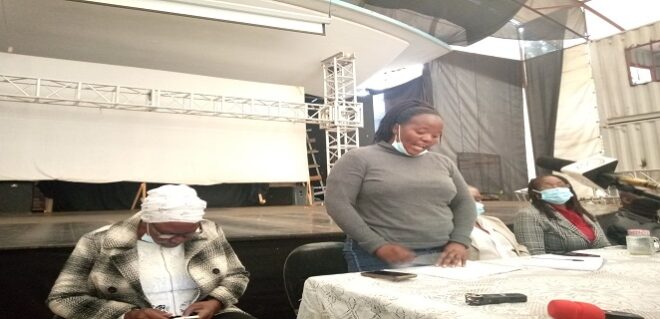
Youth Engage Zimbabwe, a grassroots youth organization that advocates for the health, well-being and human rights of all young people with the support of UNAIDS, has embarked on country-wide youth dialogues in an effort to prompt the policy makers to do well on their promise in terms of health service delivery, allocation of funds and prioritization of beneficiaries. By Patricia Mashiri The dialogues are focusing on building evidence-based submissions on key asks, solutions, and priorities that will address gaps at a local grassroots level on HIV/ AIDS, Sexual Gender Based…
Read MoreCategory: REPRODUCTIVE
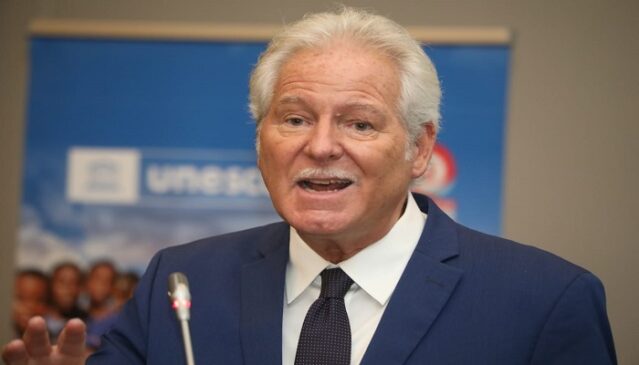
UNESCO Sets Eyes on Tertiary Education Students with New O3PLUS programme
THE United Nations Educational, Scientific and Cultural Organization (UNESCO), has introduced the Our Rights, Our Lives Our Future Plus (O3 PLUS) programme, an initiative that aims to ensure young people in higher and tertiary education institutions (HTEIs) realize positive health, education, and gender equality outcomes. By Michael Gwarisa in South Africa Implementation of the O3PLUS programme follows the successful execution of the O3 programme, UNESCO’s flagship initiative which was launched three years ago. Unlike the general belief that students or learners in higher and tertiary education settings have reached the…
Read MoreFrom Heaven To Hell In 12 Months: A GBV Survivor’s Story
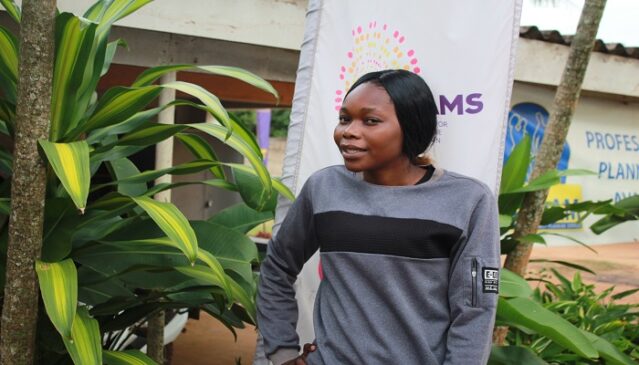
NOMAGUGU Hurumba (22) is an orphan and a single mother to a three year old son. Growing up in Chiredzi, especially after the demise of her parents was never easy. To compound her woes, when she was in Form 3, Noma had to drop out of school after her siblings had indicated that they were no longer able to shoulder her school fees burden. By Michael Gwarisa recently in Chipinge She moved from Chiredzi to stay with her sister in Chipinge. However, persistent economic hardships in the country pushed her…
Read MoreManicaland Child Marriage Survivors Find Solace In Economic Strengthening Programs
DUE to economic hardships and prolonged schools closure at the back of recurrent COVID-19 induced lockdowns, Marvelous Tsambe* (16) from Chikore Village in Chimanimani entered into an early child marriage at the age 14 as an escape from the challenges back home. However, to her surprise, marriage did not bring the much anticipated economic escape. By Michael Gwarisa in Manicaland Just like most girls her age in her area, Marvelous fell for Majoni-Joni or those young men who illegally cross the border to work in South Africa. Whenever they return…
Read MoreLearning from women’s experiences during childbirth to improve quality of care
A special supplement from WHO and HRP, newly published in BMJ Global Health, spotlights how women and their newborn babies are treated during childbirth and offers a path to improved facility-based care.More and more evidence shows that women across the world face unacceptable mistreatment during childbirth. Women everywhere face violations of their rights – including rights to privacy, informed consent, and the right have a trusted companion of choice throughout childbirth. Own Correspondent Mistreatment can seriously erode trust in the health facility, which can mean that women are less likely…
Read MoreRBF’s Urban Voucher Reduces Maternal and Neonatal Deaths In Harare
THE Urban Voucher (UV) component of the Results Based Financing (RBF) program, which is being implemented through funding and technical support from the World Bank (WB) has resulted in a decline in maternal and neonatal deaths due to increased uptake of services by pregnant and expecting women. By Michael Gwarisa The RBF project was introduced by the government of Zimbabwe in 2011 and is financed by the Global Financing Facility and the Health Results and Innovation Trust Fund. In the earlier phases, the Project aimed to accelerate access to quality…
Read MoreWHO issues new guidelines on abortion to help countries deliver lifesaving care
Access to safe abortion critical for health of women and girls: WHO The World Health Organization (WHO) is releasing new guidelines on abortion care today, in a bid to protect the health of women and girls and help prevent over 25 million unsafe abortions that currently occur each year. “Being able to obtain safe abortion is a crucial part of health care,” said Craig Lissner, acting Director for Sexual and Reproductive Health and Research at WHO. “Nearly every death and injury that results from unsafe abortion is entirely preventable. That’s…
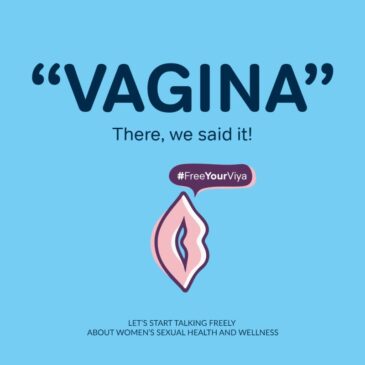
Read MoreVagina! There We Said It, Says PSI As They Launch VIYA, A Global Sexual Wellness Lifestyle Brand
IN a move that is set to demystify and normalize women’s sexual and reproductive health and rights, the Population Service International (PSI) has launched VIYA, a first global sexual wellness lifestyle product that puts the power of health choice into women’s and girls’ hands. By Michael Gwarisa The campaign is starting with #TheVword or the word Vagina, which is aimed at disrupting the narrative around women’s healthcare and supporting women to make and own their health choices throughout their lifecycle—from menstruation to menopause. Harnessing technology including artificial intelligence, e-commerce and…
Read MoreHarare Residents Concerned Over Rise In Child Sex Work and Drug Abuse
MOST Harare suburbs are experiencing a surge in cases of drug and substance and child sex work which many residents believe is being driven by the prolonged time the kids have spent outside learning institutions due to lockdown restrictions. By Michael Gwarisa Following the prolonged closure of schools due to recurring lockdown restrictions since 2020, most children have found solace in harmful practices such as sexual experimentation and drug and substance abuse. The massive job losses due to retrenchments and closure of some businesses during the lockdown have also impacted…
Read MorePSI’s Hormonal IUD’s Popularity Grows In Africa
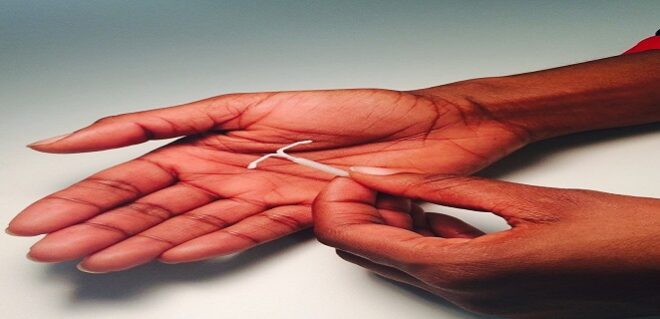
A new study that was conducted by the Population Service International (PSI) to ascertain the profiles of women who choose to use the hormonal Intrauterine Device (IUD) method of contraception have revealed that most users continued using the method due to high levels of satisfaction. By Michael Gwarisa The study is titled Introducing the hormonal Intrauterine Device in Madagascar, Nigeria, and Zambia: results from a pilot study. The study was conducted by Kendal Danna, the PSI Sexual and Reproductive Health Technical Advisor together with her partners where a longitudinal study…
Read More