Health Correspondent When schools reopened in January this year, a headmaster in Mbire District experienced the shock of his life. 16 girls dropped out. Upon further inquiry by the education ministry, it was revealed that the majority of these students had left due to pregnancy. Elsewhere, several girls failed to return to class at the start of the term, with rural areas and mining communities being the most affected. Teenage pregnancy and child marriages remain critical issues in Zimbabwe, with recent statistics revealing alarming trends. In 2024 alone, approximately 5…
Read MoreCategory: REPRODUCTIVE
Frontline Warriors: The Women Battling Zimbabwe’s Unsafe Abortion Crisis
By Michael Gwarisa Zimbabwe records an estimated 70,000 illegal abortions annually, primarily due to restrictive abortion laws. Currently, abortion is only legal under limited circumstances, such as when the pregnancy endangers the mother’s life, results from rape or incest, or involves severe fetal impairment. Most women do not qualify under these conditions. Other factors contributing to illegal abortions in Zimbabwe include stigma and cultural beliefs, unwanted and unintended pregnancies, economic hardship, limited access to sexual and reproductive health services, rape and incest cases, fear of legal consequences, and pressure from…
Read MoreZimbabwean Legislators Lay Groundwork for Private Member’s Bill on Abortion
By Michael Gwarisa Members of the Parliamentary Portfolio Committee on Health have begun preparations for a Private Member’s Bill seeking amendments to the Termination of Pregnancy Act (ToP). The proposed changes aim to broaden the legal grounds for abortion, allowing for greater access under specific circumstances. A Private Member’s Bill is a proposed law introduced by a legislator who is not part of the executive (government or cabinet). In Zimbabwe, this means a Member of Parliament (MP) who is not a minister or deputy minister can introduce a bill to…
Read MoreGlobal Gag Rule Returns: A Threat to Women and Girls’ Sexual and Reproductive Health
By Edinah Masiyiwa On the 20th of January, the day that Donald Trump was sworn in as the president of the United States of America, I was really moved by the title of an article on the Safe Abortion Action Fund site which read, “We Wish US Politics Didn’t Have a Big Impact on Global Abortion Access, But it Does.” I agree. Since 1984, every U.S. Republican president has introduced the “global gag rule” which restricts funding for organisations which support or provide abortion. The Global Gag Rule, also known…
Read More2025 National Budget Not Gender Responsive – WCoZ
By Michael Gwarisa The Women’s Coalition of Zimbabwe (WCoZ) has criticized the 2025 National Budget for neglecting the unique health needs of women in Zimbabwe, accusing it of failing to adopt a gender-responsive approach. Gender-responsive budgeting (GRB) integrates gender considerations into budgeting processes to ensure that policies, interventions, and resources address the distinct needs of women, men, and gender-diverse individuals. However, the 2025 budget fell short, with allocations failing to prioritize critical issues in women’s health. Data from the budget indicates that Family Health, which includes family planning, sexual and…
Read MoreZimbabwe’s Civil Society Pushes for Establishment of One-Stop Centre for Safe Abortion
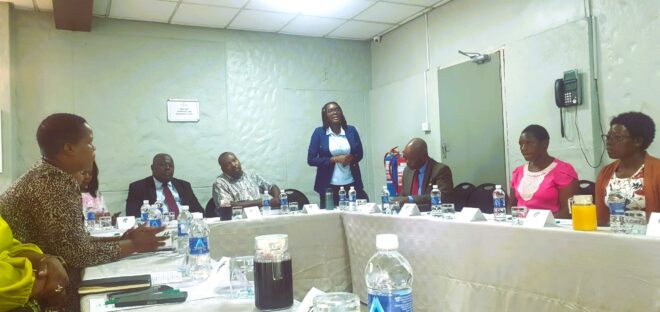
By Michael Gwarisa Advocates for safe abortion in Zimbabwe, comprising the Health Law Policy Consortium (HLPC) and the Institute for Young Women’s Development (IYWD), with support from the Safe Abortion Action Fund (SAAF), are lobbying for the establishment of a One-Stop Centre for safe abortion services. The initiative aims to address obstacles faced by women and girls in accessing abortion services. Currently, abortion in Zimbabwe is permitted under the Termination of Pregnancy Act (Chapter 15:10), enacted in 1977. The Act allows abortion in specific circumstances, including when continuing a pregnancy…
Read MoreInformation Gaps Drive Unintended Pregnancies Among Children Who Live On The Streets In Zimbabwe
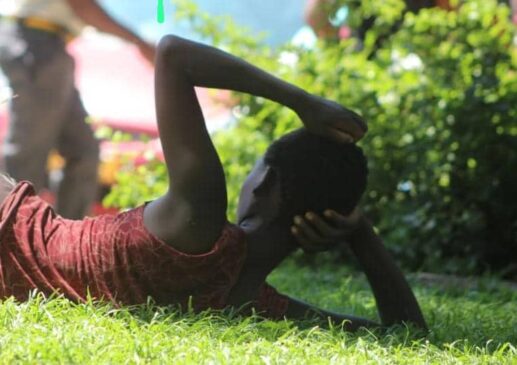
By Kuda Pembere City life knows no sleep particularly for children living and working on the streets of the Harare Central Business District (CBD). Access to sexual reproductive health services is usually a hurdle for children due to a number of reasons. Around 11 pm, only a handful of people can be seen milling around town. However, it is easy to spot children who live and work on the streets owing to their rugged and torn apparel. To prepare and recoup for the long nights which in most cases are…
Read More2025 Budget Should Prioritise Post Abortion Care
By Edinah Masiyiwa As the country undergoes the budgeting process for the year 2025, it is time for the Zimbabwe Ministry of Health and Child Welfare to prioritise women’s access to maternal health services. The focus especially should be put on comprehensive abortion care guidelines as it greatly contributes to a reduction of maternal mortality. This article will focus on the importance of having a well-funded post-abortion care programme. Zimbabwe has the highest contraception prevalence rate in sub – Saharan Africa but also one of the highest maternal mortality ratios…
Read MoreZimbabwe Considers Cost Recovery Strategy For Family Planning Products
By Michael Gwarisa Amid growing donor fatigue and declining international support, Zimbabwe is pursuing a cost recovery framework for contraceptive commodities to ensure the sustainability and accessibility of reproductive health services. Spearheaded by the Zimbabwe National Family Planning Council (ZNFPC), in collaboration with the Ministry of Health and Child Care (MoHCC) and other partners, this initiative aims to maintain progress in reproductive health despite diminishing external funding. Like many nations dependent on donor contributions, Zimbabwe is seeking strategies to sustain its family planning programs. The proposed cost recovery framework intends…
Read MoreEmpowering Midwives Through E-Learning: New Training Program Bridges Zimbabwe’s Healthcare Skills Gap
By Michael Gwarisa For the past nine years, Mutsa Katsidzira, 33, a nurse at Sally Mugabe Hospital in Harare, has practiced as a nurse. Although she finds her job fulfilling, she has always dreamed of a career in midwifery, where she could help pregnant women deliver safely. Zimbabwe’s healthcare sector has faced significant setbacks over the past decade. Skilled professionals, particularly nurses and midwives, have left the country in search of better working conditions and pay, leaving a critical gap in the healthcare system—especially in midwifery training. According to the…
Read More