Find more home grown solutions for AIDS Levy: CWGH

By HealthTimes Reporter The Community Working Group on Health (CWGH) feels there should be more indigenous solutions to grow the AIDS Levy in Zimbabwe. Zimbabwe’s mobile network operators  contribute  5% levy on all airtime purchases for mobile telecoms to the AIDS Levy. Joining the rest of the world in commemorating World AIDS Day, CWGH said despite the country making strides in reducing the prevalence rate, new infections continue to occur. “However, it is important to note that new infections have not yet stopped, nor have AIDS deaths. ART coverage is…

Read More

Ignoring Key Populations Threaten 90 90 90 Targets

By Michael Gwarisa  LEAVING key Populations (KPs) behind in HIV/AIDS interventions and programs poses a a threat to the ambitious target of reducing HIV prevalence, deaths and new infections  by the year 2020. In Zimbabwe, KPs mean gay men and other men who have sex with men, sex workers and their clients, transgender people and people who inject drugs as the four main key population groups, but it acknowledges that prisoners and people with Disability also are particularly vulnerable to HIV and frequently lack adequate access to services (ZNASP3 )…

Read More

Can HIV Hide In The Blood?

HealthTimes Contributor So most of you might be wondering probably ten year after you had a sexual encounter with someone you didn’t trust, whether you contracted the virus or not. Many a times, you develop something, a wart or boil in some funny area of your body and your memory quickly lingers back to that very moment you might have gone beyond limits. Well before we go any further, the best way to know whether you are HIV positive or not is by getting an HIV test and thank God…

Read More

PEPFAR Says Zimbabwe Winning HIV War

By Michael Gwarisa THE U.S President’s Emergency Plan for AIDS Relief (PEPFAR) says Zimbabwe is amongst the top four Southern African countries slowly winning the battle against the HIV epidemic. ALSO READ: Four African Countries Approaching Control of Their HIV Epidemics as U.S. Continues Its Commitment to PEPFAR Data from PEPFAR show that the HIV epidemic is coming under control across all age groups in Swaziland, the country with the highest HIV prevalence in the world and “…Additional PEPFAR-supported studies released in December 2016 for Malawi, Zambia, and Zimbabwe demonstrate significant…

Read More

President Mugabe Worried Over Rising Cancers

By Michael Gwarisa PRESIDENT Robert Mugabe says the increase in non-communicable diseases  in most African countries was a cause for concern and urged governments to develop homegrown solutions to health issues affecting the continent. Officially opening the 67th edition of the World Health Organisation (WHO) Regional Committee meeting today in Victoria Falls, President Mugabe said there was a worrying increase in Non-communicable diseases and new infections and there was need to act fast. “As Africa, we now face a double burden of communicable and non-communicable diseases, in most of these…

Read More

Zim ARV Shortage Could Trigger Massive Drug Resistance

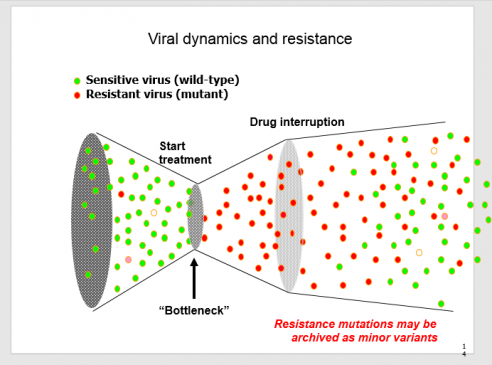
By Michael Gwarisa  ZIMBABWE today (21/08/2017) woke up to devastating news that the country’s public health and pharmaceutical institutions have been hit by massive Anti Retro Viral (ARV) drug shortages. According to an article in the Herald, HIV positive people on second line Abacavir ARV drugs are the most affected and they are being given a week’s supply of the drug instead of the traditional three moths supply due to stock outs. It is believed that the huge stock outs and shortages in drug supplies are being exacerbated by the…

Read More

Rimuka TB/HIV Care Centre commissioned

By Staff Reporter MINISTRY of Health and Child Care (MoHCC) has commissioned the Rimuka Integrated TB/HIV Care Centre that was renovated at a cost of US$30 000. The integrated health care centre which is owned by the Kadoma City Council handles approximately 6000 people every month. In a speech read on his behalf by Deputy Minister Aldrin Masiiwa last Friday, Minister of Health and Child Care Dr David Parirenyatwa applauded the city council for the noble initiative. “I am told that this health Care centre were once Council offices but…

Read More

MSF Takes Sexual Reproductive Health To Schools…As More Students Test HIV positive

By Michael Gwarisa INTERNATIONAL medical humanitarian organization Doctors without Borders (MSF), has embarked on a widespread Sexual and Reproductive Health (SRH) drive in schools starting with South Africa in an effort to reduce increased cases of HIV/AIDS and unwanted pregnancies in amongst students. In a statement, MSF South Africa urged the Department of Basic Education (DBE) and the Education and School Governing Bodies (SGBs) in South Africa to get rid of traditional barriers to healthcare and sexual health education so as to promote uptake of HIV prevention measures as well…

Read More

MSF, SafAids partner to fight drug abuse and HIV in Adolescents

By Michael Gwarisa  MEDECINS Sans Frontieres (MSF) has partnered SafAids in the fight against drug abuse and risky sexual behavior  amongst adolescents as the country strives to manage the AIDS pandemic whose prevalence in young people has been on the increase. In an interview with HealthTimes on the sidelines of the “Young4Real, Make the Right Choices campaign” in Mbare today MSF Health Promotions Officer,  Brian Hove said statistics of HIV prevalence among adolescents have been worrisome hence the need to partner SafAids on the drive. “The objectives of this campaign…

Read More

More funding needed for HIV prevention- NAC

By Michael Gwarisa FUNDING towards HIV prevention programs is insignificant as more resources are being channeled towards HIV treatment, a top National Aids Council (NAC) official has said. In an interview with HealthTimes news, NAC director operations Raymond Yekeye said funding HIV prevention was currently on the low and called on stakeholders to consider scaling up financing of prevention initiatives. “Currently, the country has limited funding for HIV prevention as the majority of the resources are being channeled towards treatment in order to ensure we keep those already on ART…

Read More