#BREAKING: Former UNICEF Zim Country Rep, Dr Salama Dies

FORMER United Nations Children’s Fund (UNICEF) Zimbabwe country representative, Dr Peter Salama has died. By Michael Gwarisa Dr Salama was 51 and leaves behind his wife and three children. He was also the Executive Director of WHO’s Division for Universal Health Coverage – Life Course. The World Health Organization announces with deep sadness the sudden death of Dr Peter Salama, Executive Director of WHO’s Division for Universal Health Coverage – Life Course. In his condolence message, World Health Organisation (WHO) Director General, Dr Tedros Adhanom said Dr Salama’s death was…

Read More

Here Is Why Zimbabwe Should Be On High Alert For CoronaVirus

IN December 2019, an outbreak of a rare flue like virus  was reported in China and has since infected hundreds since it was diagnosed in Wuhan, China. By Michael Gwarisa Chinese health expert and scientist  who first decoded the virus  believes the virus which could be a cousin to the Severe Acute Respiratory Syndrome (SARS) virus which killed hundreds of people a few year back could have started in animals and spread to humans. On 31 December 2019, the World Health Organisation (WHO) was informed of a cluster of cases…

Read More

Smoking greatly increases risk of complications after surgery

TOBACCO smokers are at significantly higher risk than non-smokers for post-surgical complications including impaired heart and lung functions, infections and delayed or impaired wound healing. HealthTimes Reporter But new evidence reveals that smokers who quit approximately 4 weeks or more before surgery have a lower risk of complication and better results 6 months afterwards. Patients who quit smoking tobacco are less likely to experience complications with anesthesia when compared to regular smokers. A new joint study by the World Health Organization (WHO), the University of Newcastle, Australia and the World…

Read More

Bad Roads Induced Maternal Deaths Fears Rise Ahead of Rainy Season

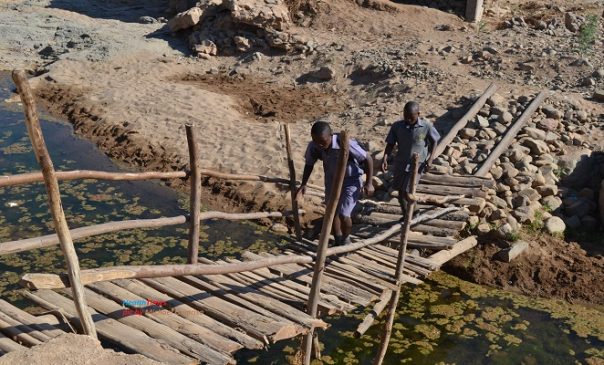
EVEN though Memory Chimpinyi (26) from Skyline in Chimanimani gave birth to her baby a month before the Tropical Cyclone Idai disaster struck, the after effects of the storm are currently having a direct negative impact on her post-natal hospital visits. By Michael Gwarisa in Chimanimani Every month she visits Chimanimani Rural District Hospital which is located eight kilometers away from her home through a meandering road and rugged terrain. The dilapidated road and bridges which were washed away by the ferocious monsoon brings some inconceivable anxiety and trauma to…

Read More

WHO Updates Contraceptive Eligibility For Women At High Risk of HIV

WHO has changed its recommendations for progestogen-only injectables and intrauterine devices (IUDs) for women at high risk of HIV from a Category 2 to a Category 1. Additional clarifications are provided for the IUD recommendation. These recommendations stem from a meeting of the Guideline Development Group at which a wide range of stakeholders were represented including experts in family planning and HIV, representatives from affected populations, clinicians, epidemiologists, researchers, programme managers, policy-makers and guideline methodologists. The Group reviewed evidence on hormonal contraception and HIV acquisition published since the previous review…

Read More

Mash West Health Workers Get Sleeping Sickness Control Training

THE Health and Child Care Ministry is currently training community health workers in Hurungwe and Kariba on how to manage sleeping sickness. By Kuda Pembere Amid indications of misdiagnosis of this condition also known as human African trypanomiasis, with technical support of the World Health Organisation (WHO), the ministry found it necessary to bridge the knowledge gap. The training workshop which began on Monday ends on Friday. “We want to develop and capacitate human African trypanomiasis health facilities as well as strengthening the diagnosis and treatment of the disease at…

Read More

WHO Urges Gvts To Prioritize Health Workers

THE World Health Organisation (WHO) Regional Director, Dr Matshidiso Moeti has urged governments in SADC region to prioritize welfare and well-being of health personnel as they are the backbone of the health sector. By Michael Gwarisa Speaking at the 69th session of the World Health Organization Regional Committee for Africa, Ministerial gathering to shape Africa’s Health Agenda in Brazzaville, Dr Matsidiso said, “health workers were a precious resource not only to their families, but to communities, to national development and to international security and we must do more to protect…

Read More

Zim Among Countries With High HIV Drug Resistance- WHO

ZIMBABWE is among one of the 18 countries that recorded HIV drug resistance above 10% percent amidst indications that more women showed resistance to first line regimens efavirenz/nevirapine. In the SADC region, South Africa tops the list with a 23.6% Pretreatment Drug Resistance (PDR) to efavirenz/nevirapine followed by Namibia which has  a 13.8% PDR to EFV/NVP while Zimbabwe has 10.9% PDR to EDF/NVP. However, national guidelines in all these countries have been revised to include the use of DTG as preferred first-line ART for adults and adolescents (in women and girls…

Read More

DRC Ebola Outbreak Could Spread Beyond DRC Boarders- WHO

THE World Health Organisation (WHO) has warned of an impending Ebola outbreak that could spread beyond the Democratic Republic of Congo (DRC) boarders in what the international health organisation has described as a public health emergency of international concern. By Michael Gwarisa The declaration followed a meeting of the International Health Regulations Emergency Committee for EVD in the DRC. The Committee cited recent developments in the outbreak in making its recommendation, including the first confirmed case in Goma, a city of almost two million people on the border with Rwanda,…

Read More

Lafarge In Revolutionary Breakthrough For Breastfeeding Mothers

BREASTFEEDING is considered a basic need for every infant of breastfeeding age and according to the World Health Organisation (WHO), a baby should be exclusively breastfed for up to six months before introducing him/her to complimentary foods until at least the age of two years. By Michael Gwarisa According to nutrition experts, the first 1000 days are the most crucial for an infant’s brain development and this can only be attained through adequate and exclusive breastfeeding. In developing countries however, poverty and its attendant condition, malnutrition, weaken this foundation, leading…

Read More