Zimbabwe’s 2025 Mid-Term Budget Falls Short of Abuja Health Target Despite Modest Gains

By Michael Gwarisa Zimbabwe’s 2025 Mid-Year Budget Review has once again underscored the country’s persistent failure to meet the Abuja Declaration target of allocating at least 15 percent of the national budget to health, despite a modest improvement in the sector’s share of Gross Domestic Product (GDP) following a rebasing exercise. According to the review presented by Finance Minister Mthuli Ncube, the Ministry of Health and Child Care was allocated ZiG27.8 billion for the year, translating to approximately US$1.039 billion using the official exchange rate of US$1 to ZiG26.7654. While…

Read More

Saving Lives on the Move: SLL-Backed Mobile Vaccination Drives Reach Gokwe’s Hard-to-Reach Communities

By Michael Gwarisa in Gokwe From a distance, a thick cloud of dust rose above the Mopane-strewn horizon on the southern side of Muchohwe Primary School, deep in Chief Chireya’s territory in Gokwe North. Minutes later, a white twin-cab vehicle emerged, prompting cheers and ululation from the gathered community. The vehicle carried more than just people. It was stocked with lifesaving vaccines, essential medications, and other critical health supplies for a mobile outreach program. As it rolled to a stop, healthcare workers stepped out, greeted like heroes by a crowd…

Read More

Zimbabwe Among 14 African Nations Facing Alarming Rise in Drug-Resistant Infections

By Staff Reporter  Results from a newly published study highlight the growing spread of drug resistance across 14 African countries, underscoring the urgent need to strengthen laboratory testing, data systems, and health planning to tackle hard-to-treat infections. The study, known as the Mapping Antimicrobial Resistance and Antimicrobial Use Partnership (MAAP), is the largest of its kind ever conducted in Africa. It was led by a coalition including the Africa Centres for Disease Control and Prevention (Africa CDC), the African Society for Laboratory Medicine (ASLM), One Health Trust, and other regional partners.…

Read More

Zimbabwe Fails to Immunise 34,000 Children Every Year

By Michael Gwarisa Zimbabwe is falling behind in its efforts to fully immunise every child, with approximately 34,000 children going without basic vaccinations each year. This alarming statistic, contained in the latest World Health Organization (WHO) and UNICEF Estimates of National Immunization Coverage (WUENIC) report released on July 15, 2025, highlights the persistent vulnerability of Zimbabwe’s youngest citizens, many of whom remain completely unprotected from life-threatening vaccine-preventable diseases. The WUENIC report revealed that across Southern Africa, the number of “zero-dose” children, those who have not received even the first dose…

Read More

Sightsavers Zimbabwe Renews Mandate Under New PVO Bill, Pledges Expanded Disability Inclusion Efforts

By Michael Gwarisa Harare, Zimbabwe — Sightsavers Zimbabwe has officially renewed its mandate with the Government of Zimbabwe, operating now under the country’s recently enacted Private Voluntary Organisation (PVO) Act. The renewal not only secures the organisation’s continued work in providing inclusive eye care but also signals a strategic expansion of its commitment to disability inclusion across Zimbabwe. Through his LinkedIn account, Peter Bere, Country Director of Sightsavers Zimbabwe, welcomed the renewal as a significant milestone. This renewal under the new PVO legislation offers us a fresh opportunity to deepen…

Read More

Zimbabwe’s Solar for Health Project Attracts Global Interest

By Kudakwashe Pembere Zimbabwe’s Solar for Health (S4H) initiative, which has powered over 1,000 health facilities across the country, has caught the attention of several countries across Africa, Eastern Europe and Latin America keen to learn from its implementation. Since its launch in 2017, more than 1,700 public health institutions in Zimbabwe have been equipped with solar systems under the S4H project, which is funded by The Global Fund. In an interview with HealthTimes on the sidelines of the commissioning of a climate-proof incinerator at Sally Mugabe Central Hospital, United…

Read More

HIPH Says Nursing Assistant Program Fully Backed by Government, Responds to Nurses Council Concerns

By Michael Gwarisa The Harare Institute of Public Health (HIPH) has responded to a public notice issued by the Nurses Council of Zimbabwe (NCZ), which distanced itself from any regulatory association with the institute’s training of nurses. HIPH maintains that its programs are accredited by the government under the Higher Education Examinations Council (HEXCO) and do not fall under the mandate of the Nurses Council. In a statement released last week, the Nurses Council sought to clarify its position, stating that it neither recognises nor regulates any nursing qualifications offered…

Read More

Prosecuting HIV Under a Repealed Law Will Take Zimbabwe 20 Years Back Into the Dark Ages

By Michael Gwarisa In May 2022, Zimbabwe took a bold and progressive step by repealing Section 79 of the Criminal Law (Codification and Reform) Act, which criminalised the deliberate transmission of HIV. This repeal was not merely a legislative change, it was a milestone in Zimbabwe’s HIV response, signaling a shift toward science, public health, and human rights. It reflected years of research and advocacy that consistently showed criminalising HIV does not prevent transmission but rather perpetuates stigma, gender inequality, and legal uncertainty. Yet today, a complex and concerning development…

Read More

High Pregnancy Rates Among HIV-Positive Teens in Zimbabwe and Zambia Reveal Critical Care Gaps

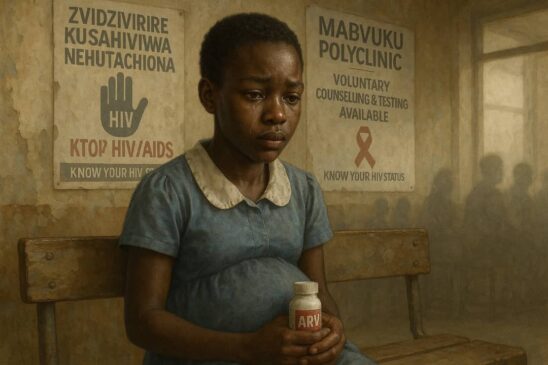
By Staff Reporter  A landmark study in Zimbabwe and Zambia has uncovered alarming pregnancy rates among adolescents living with HIV since birth, exposing urgent gaps in healthcare and social support systems. The research, conducted with 842 adolescents aged 11-19, found that pregnancy incidence reached 6.8 per 100 person-years among those aged 15 and older – a rate significantly higher than regional averages. The findings paint a concerning picture of intersecting challenges. While 92% of babies born to these young mothers tested HIV-negative thanks to effective prevention programs, only 19% of…

Read More

Zimbabwe to Implement New WHO HIV Guidelines

By Shamiso Yikoniko in Kigali, Rwanda The World Health Organization (WHO) has released updated HIV prevention, treatment, and care guidelines during the 13th International AIDS Society (IAS) Conference on HIV Science in Kigali, Rwanda, offering renewed hope in the global fight against HIV. Zimbabwe, home to an estimated 1.3 million people living with HIV, is expected to benefit from these new tools to bolster its already robust response to the epidemic. The revised guidelines introduce key innovations designed to simplify care, expand prevention options, and improve patient outcomes. Among the…

Read More