National AIDS Council, City Fathers Hold Indaba to Tackle Emerging Vices Driving HIV Risk

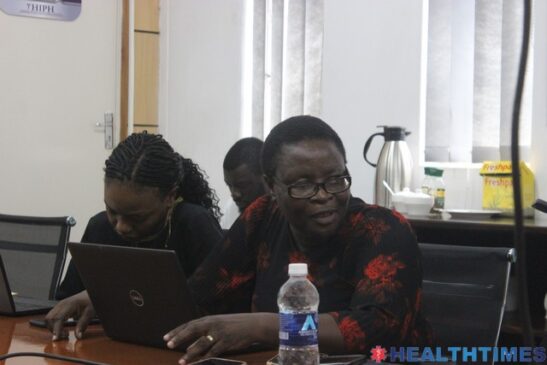
By Michael Gwarisa in Mazowe The National AIDS Council convened a one day sensitisation indaba with councillors from the City of Harare in Mazowe, Mashonaland Central, as part of efforts to strengthen the HIV and AIDS response amid emerging social and health challenges. The meeting brought together city fathers, government officials and health stakeholders to deliberate on issues increasingly complicating the HIV response, including non communicable diseases, drug and substance abuse, and rising new infections among young people and key populations. Officiating at the indaba, the Minister of State for…

Read More

US Unveils $65 Million Bridge Plan to Sustain Zimbabwe’s HIV Respons

By Michael Gwarisa The United States Department of State, through the President’s Emergency Plan for AIDS Relief (PEPFAR), has unveiled a new HIV and AIDS support fund worth US$65.1 million for Zimbabwe. The initiative, known as The Bridge Plan, will run for the next six months, with renewal contingent on the Government of Zimbabwe meeting new U.S. Government (USG) funding requirements. Under the Bridge Plan, the U.S. government will continue to support critical HIV interventions such as antiretroviral therapy (ART) and HIV commodities procurement. However, the new funding excludes certain…

Read More

Zimbabwe’s 2025 Mid-Term Budget Falls Short of Abuja Health Target Despite Modest Gains

By Michael Gwarisa Zimbabwe’s 2025 Mid-Year Budget Review has once again underscored the country’s persistent failure to meet the Abuja Declaration target of allocating at least 15 percent of the national budget to health, despite a modest improvement in the sector’s share of Gross Domestic Product (GDP) following a rebasing exercise. According to the review presented by Finance Minister Mthuli Ncube, the Ministry of Health and Child Care was allocated ZiG27.8 billion for the year, translating to approximately US$1.039 billion using the official exchange rate of US$1 to ZiG26.7654. While…

Read More

Zimbabwe’s Zvandiri HIV Care Model Helps Bend HIV Trajectory in Africa’s Children

By Michael Gwarisa The Zvandiri model, a peer-led program focused on children, adolescents, and young adults living with HIV aged 0-24, was launched in Zimbabwe 2o years ago mainly as a vehicle to increase and improve access to treatment and care for children and young persons living with HIV. The model Zvandiri is implemented by young people aged 18 to 24  known as Community Adolescent Treatment Supporters (CATS). They are trained and mentored to support their peers throughout the HIV care continuum through support groups, home visits, phone call reminders,…

Read More

HIV Status Disclosure during Dating: The Sisyphean Task Facing Young People Living with HIV In Zimbabwe

By Michael Gwarisa in Chinhoyi For 21-year-old Joseph Mwashipe* from Cherima in Chinhoyi, Mashonaland West, living with HIV as a young person has presented him with a whole set of challenges.  Even though he is studying towards an engineering program, he feels his dating life is currently weighing him down mentally. “Ukangomuudza chete kuti uri HIV positive zvinobva zvadhakwa (The moment I disclose my HIV positive status, the girl disappears from the picture),” says Joseph. “I don’t know whether I should continue disclosing or not because it seems the more…

Read More

Ministry of Health Speaks On Injectable PrEP Roll-Out in Zimbabwe

By Kuda Pembere Having received 2000 doses of Cabotegravir (CAB-LA), a long-acting injectable pre-exposure prophylaxis (PrEP), Zimbabwe’s Ministry of Health and Child Care says they will roll it out next year. Speaking at a Health Communicators Forum (HCF) media science café, a MoHCC officer in the AIDS and TB department Dr Idah Moyo said the product is currently being assessed at demonstration sites in the country. So of note is that the Cabotegravir long-acting injection pre-exposure prophylaxis is being delivered under the demonstration site and is coming in according to…

Read More

Governments should take ownership of VMMC programs says AVAC

By Michael Gwarisa To ensure the sustainability of Voluntary Medical Male Circumcision (VMMC) programs in the face of dwindling donor support and donor fatigue, African governments have been urged to fund and promote VMMC programs. Since VMMC was recommended by WHO and the UNAIDS in 2007 as key to HIV prevention in high prevalence settings, about 35 million men have accessed services across 15 VMMC priority countries in Eastern and Southern Africa. However, since inception, VMMC programs have been largely financed by donors and Multilateral funding agencies amidst indications that…

Read More

Zimbabwe’s HIV/AIDS Stigma Jumps to 69.7 Percent…Key Populations affected the most

WHILE Zimbabwe is on track to attaining the  UNAIDS 95-95-95 targets of ending AIDS as a public health threat by 2030, rising incidences of stigma and discrimination against people living with HIV and sub population groups could derail the gains achieved so far. By Michael Gwarisa This was revealed during the launch of the Zimbabwe Stigma INDEX 2.0 Report in Harare where findings indicated that the overall stigma and discrimination in Zimbabwe was currently sitting at 69.7 percent, compared to 65.5 percent recorded in the 2014 Stigma Index report. According…

Read More

Uganda Anti-Homosexuality Ban To Reverse HIV/AIDS Gains Says PEPFAR

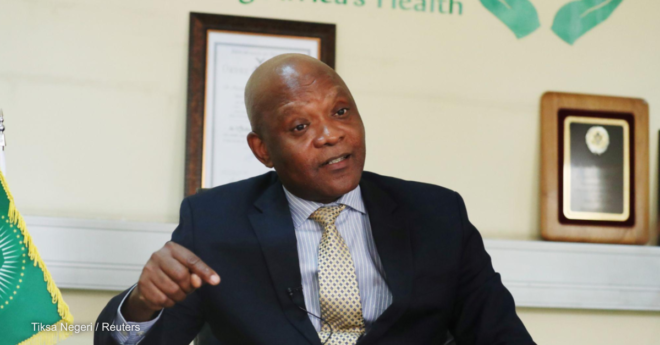
THE recently appointed leader of the U.S. President’s Emergency Plan for AIDS Relief (PEPFAR), Ambassador Dr. John N. Nkengasong says the recent move by the Ugandan government to pass a bill that makes identifying as LGBT a crime punishable by death, was not only inhuman but jeopardizes HIV efforts. By Michael Gwarisa According to results of the 2020 Uganda Population-based HIV Impact Assessment (UPHIA), the current prevalence of HIV among adults aged 15 to 49 years in Uganda is 5.5 percent. However in Uganda, it is estimated that  there are…

Read More

SET A THIEF TO CATCH A THIEF: How AWET Health interventions have reduced home deliveries Among Apostolic Women and Girls in Shurugwi

Caroline Ngosha (23), from Shurugwi is expecting her third child in a few months’ time. In both her previous pregnancies, she delivered her children at home in line with the dictates of her religion, a white garment apostolic sect. Some apostolic sects in Zimbabwe do not allow their followers to use family planning or contraception methods. Neither do they sanction female followers to register with the Anti Natal Clinic (ANC), later on deliver in a health institution. By Michael Gwarisa in Shurugwi She remembers vividly how life threatening giving birth…

Read More