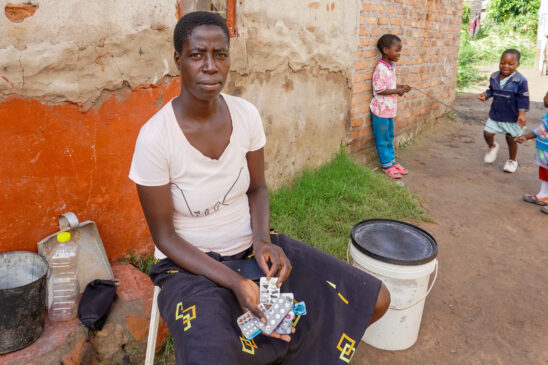
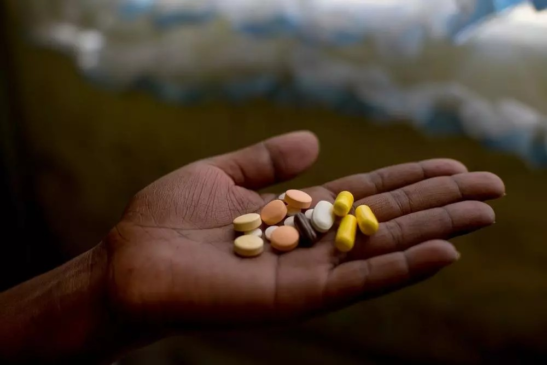
By Gamuchirai Masiyiwa, GPJ Zimbabwe HARARE, ZIMBABWE — It’s possible to buy pretty much anything at the market in Hopley, an informal settlement south of this capital city: rat poison, mops — even medicine. That medicine is sold without prescriptions, to buyers who don’t have a diagnosis from a doctor in hand. Some vendors even offer diagnoses to their customers, even though they don’t have any medical training. And in many cases, the medicine is fake. At any moment, police could swoop in for a raid. Vendors keep the medicine…
Read MoreCategory: Features
Empowering the Press: How VCAT Trainings Are Equipping Journalists to Demystify Zimbabwe’s Abortion Laws
By Michael Gwarisa The Value Clarification and Attitudes Transformation (VCAT) training is a powerful tool that can help strengthen advocacy for abortion rights in Zimbabwe. By engaging journalists in critical discussions about the legal, cultural, and religious frameworks surrounding abortion, VCAT equips media professionals with the knowledge and sensitivity needed to report on the subject effectively. Zimbabwe’s Termination of Pregnancy Act (ToP) of 1977 is restrictive, allowing abortion only in specific circumstances, and many journalists have historically lacked the understanding to cover the topic accurately and sensitively. This knowledge gap…
Read MoreZimbabwe’s New Mothers Face Extortion for ‘Free’ Child Health Cards
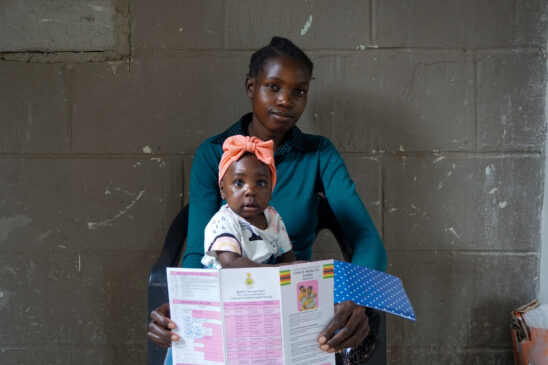
By Gamuchirai Masiyiwa, GPJ Zimbabwe HARARE, ZIMBABWE — First-time mother Connie Jowa stands with her 3-month-old baby nestled against her back, chatting with other mothers in line. Like many women at this crowded clinic in Harare’s Mabvuku suburb, Jowa is trying to get a Child Health Card, which was unavailable when she gave birth at a public hospital, and was still out of reach at her local clinic. Health cards are mysteriously out of stock. But they can be bought under the table, if you know who to ask and…
Read MoreTreat the funding cuts like the humanitarian disaster that they are
By Dr Esther C. Casas On February 26th, the US government issued around 5,200 termination letters to programmes worldwide funded by the US Agency for International Development (USAID) and 4,100 funded by the Department of State and the President’s Emergency Plan for AIDS Relief (PEPFAR). These programmes were ordered to shut down operations immediately and permanently. Many provided essential and lifesaving healthcare services for malaria, Ebola, malnutrition, sexual and reproductive health (SRH), HIV and tuberculosis (TB), and vaccination, among other critical health issues. These abrupt terminations came after more than a month of chaos and devastation for…
Read MoreIn Uganda, Fake Doctors Cause Serious Damage
By Apophia Agiresaasi, GPJ Uganda KAMPALA, UGANDA — Days after an emergency cesarean section at a private clinic, Barbara Kwarikunda experienced excruciating pain. “I couldn’t eat,” she says. “I would feel pain whenever someone touched me. My stomach was swollen. I felt like something was bursting in my uterus.” Visits to the clinic didn’t help. An examination at a public hospital revealed that the people who operated on her left cotton and gauze in her uterus. They also slightly severed her intestine, which caused internal leaking. She required another surgery…
Read MoreTwo more people with HIV may be cured after stem cell transplants
Two more people appear to be free of HIV after stem cell transplants for cancer treatment, according to a pair of posters presented at the Conference on Retroviruses and Opportunistic Infections (CROI 2025) this week in San Francisco. If the men remain in remission, they will be the eighth and ninth cases of a functional cure after the procedure. The first man, dubbed the ‘Chicago patient’, experienced viral rebound after an initial antiretroviral treatment interruption but remains in remission 10 months after stopping antiretrovirals a second time. The second man, the ‘Oslo…
Read MoreFrontline Warriors: The Women Battling Zimbabwe’s Unsafe Abortion Crisis
By Michael Gwarisa Zimbabwe records an estimated 70,000 illegal abortions annually, primarily due to restrictive abortion laws. Currently, abortion is only legal under limited circumstances, such as when the pregnancy endangers the mother’s life, results from rape or incest, or involves severe fetal impairment. Most women do not qualify under these conditions. Other factors contributing to illegal abortions in Zimbabwe include stigma and cultural beliefs, unwanted and unintended pregnancies, economic hardship, limited access to sexual and reproductive health services, rape and incest cases, fear of legal consequences, and pressure from…
Read MoreUS Claims Ebola Funding Was Restored. Ugandan Health Workers Still Haven’t Seen the Money
By Nakisanze Segawa, GPJ Uganda KAMPALA, UGANDA — On Jan. 20, US President Donald Trump abruptly cut funding for the surveillance of and response to an outbreak of the Sudan Ebola virus here. Elon Musk, Trump’s unelected right hand, said in a cabinet meeting on Feb. 26 that the Ebola-response funding was “accidentally” cut but restored immediately. Health workers in Uganda, though, say they’ve seen no sign that the funding has been restored. The United States Agency for International Development administered most of the United States’ foreign aid — until…
Read MoreEbola Breaks Out in Uganda as US Halts Foreign Aid
By Nakisanze Segawa, GPJ Uganda KAMPALA, UGANDA — One nurse died from the Sudan Ebola virus in Uganda on Jan. 29. Two more cases were confirmed days later — and hundreds of people were direct contacts. The virus spreads fast, and it’s deadly: The Sudan strain’s fatality rate ranged from 40% to 100% in past outbreaks, and there are no approved vaccines. Now, the United States Agency for International Development, a key partner in treating Ebola and slowing its spread, has stopped all funding for global health and all of…
Read MoreAntibiotic Resistance is Here. Millions of People are Dying
Reporters: Aline Suárez del Real, Edna Namara, Evidence Chenjerai, Gabriela Meléndez-Rivera, Lucila Pellettieri, Odonchimeg Batsukh, Sunita Neupane For years, Radha Lama bought antibiotics in bulk at a clinic near her home in Kathmandu, Nepal. She took the pills whenever she had a stomachache or headache, without talking to a doctor or nurse, says her daughter Pratikchya Lama. Now, at 57 years old, Radha Lama is on a ventilator in the intensive care unit of Nepal’s Tribhuvan University Teaching Hospital. She hasn’t been able to breathe on her own since August…
Read More