United For Prevention Coalition Sensitises Parliament on Need to Integrate Drug and Substance Abuse In the National HIV Prevention Response

By Michael Gwarisa In a bid to capacitate members of Parliament with information and share the latest data and trends regarding the scourge of drug and substance abuse in Zimbabwe, SAFAIDS recently held a one-day capacity-building workshop with members from the Parliamentary Portfolio Committee on Health. While traditional methods of administering drugs and substances such as smoking and ingestion remain prevalent, the latest trends such as drug injection and Bluetooth or Flashblood whereby a syringe full of intoxicated blood is passed from someone who has just injected heroin to someone…

Read More

UNICEF Zim appeals for US$84.9 million for El-Nino response

By Staff Reporter With Zimbabwe enduring an El Nino induced drought which has left children and women vulnerable to water and food shortages, UNICEF Zimbabwe is urgently appealing for about US$85 million for an emergency response to assist these vulnerable groups of the population. The response is for the provision of interventions for 866 000 children. “UNICEF is urgently appealing for US$ 84.9 million to fund its emergency response aimed at assisting children and women affected by the El Nino crisis in Zimbabwe. This funding will provide life-saving interventions to…

Read More

Pandemic Agreement Stands On Shaky Ground: AHF

By Kudakwashe Pembere With just about a fortnight to conclude the discussions of the Pandemic Agreement to help World Health Organization (WHO) member states in strengthening their healthcare systems, the AIDS HealthCare Foundaiton (AHF) is of the notion there are several issues that need to be ironed out. Learning from the disparities which obtained during the COVID-19 pandemic where vaccines were unevenly distributed across the globe, the AHF fears a dejavu should the Pandemic Agreement turn the blind eye to that. The second issue is the issue of the current…

Read More

Zimbabwe’s Ministry Rolls Out DNA Screening To Find Girls Who Missed HPV Vaccination Due To COVID-19 Disruptions

By Kuda Pembere When the world locked down due to COVID-19 disruptions in 202o, most health interventions were put on hold. Immunization and vaccination activities were the most affected. This has resulted the rising incidence of vaccine preventable diseases in most low income countries. In Zimbabwe, most girls aged 10 to 14, the eligible group for the Human Papiloma Virus (HPV) vaccine, missed the opportunity to get their doses due to disruptions caused by COVID-19. According to data, Zimbabwe shed 24 percent of its Human Papillomavirus (HPV) coverage which was…

Read More

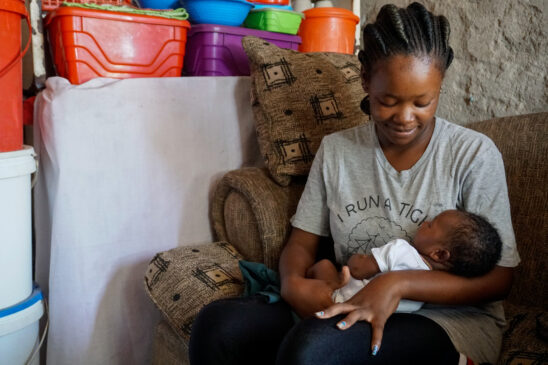
Inside the Makeshift Maternity Wards of Harare

By Linda Mujuru, GPJ Zimbabwe HARARE, ZIMBABWE — In the high-density suburb of Hopley, Tatenda Mangwanya, 16, admires her 2-week-old baby girl to whom she gave birth with the assistance of a self-trained midwife. She stands by her decision to give birth at home, which she says was the safest for her baby, whom she named Nqobile, a Ndebele name meaning “victor.” I was registered at a local clinic in the neighboring suburb of Highfield about 10 kilometers from here, but I was transferred to [the hospital] located farther away…

Read More

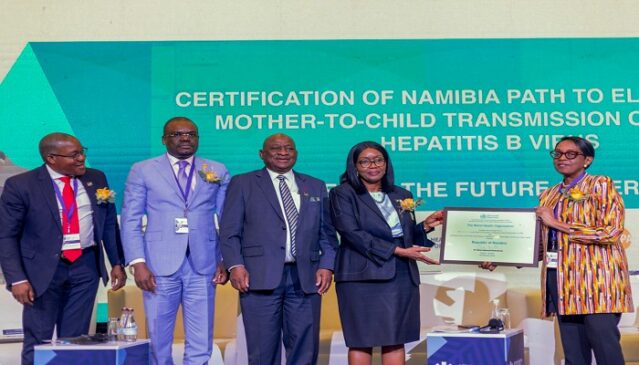
Namibia reaches key milestone in eliminating mother-to-child transmission of HIV and hepatitis B

Windhoek – Namibia has become the first country in Africa – and the first high-burden country in the world – to reach a significant milestone on the path towards eliminating vertical mother-to-child transmission of both HIV and viral hepatitis B. Eastern and Southern Africa is home to more than half the world’s HIV burden and Africa accounts for two thirds of new hepatitis B infections globally. Namibia is home to more than 200 000 people living with HIV and new infections disproportionately impact females. Progress is possible. Globally, 2.5 million…

Read More

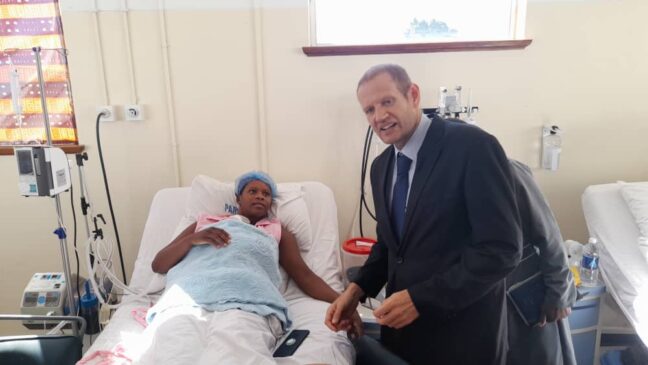
Parirenyatwa’s Kangaroo Mother care halves neonatal mortality in a month

By Kuda Pembere Immediate Kangaroo Mother Care (IKMC) has the ability of halving neonatal mortality as evidenced at Parirenyatwa Group of Hospital’s Mbuya Nehanda Maternity Hospital over the past month. Speaking to journalists during a tour of the IKMC unit, specialist neonatologist Dr Alexander Stevenson explained that preterm babies are instantly placed on the mother’s chest before the umbilical cord is cut. So, here’s my Christian and I have my Christian’s consent to share her story, because in fact we can tell the whole story in just those microcosms here.…

Read More

GEAR Project Boosts Access To Quality Education For Vulnerable School Girls In Three African Countries

By Michael Gwarisa The GEAR (Girls Education Advocacy in the Region) project, an initiative aimed at enhancing access to quality education, has made significant progress in advancing quality education for girls in Zimbabwe, Zambia and Malawi. Valued at US$828 000, the project is a collaborative effort among four organizations from Malawi, Zambia, and Zimbabwe, termed the GEAR Alliance coordinated by SAYWHAT with support from Education Out Loud. Speaking in an interview with HealthTimes, PraiseGod Masunga, the SAYWHAT Regional Coordinator said the primary goal of the project is to contribute towards…

Read More

Turning Lemons into Lemonade: How Type 1 Diabetic Survivor Tinotenda Dzikiti Is Conquering The World Stage

By Michael Gwarisa At age 13, in 2010, Tinotenda Dzikiti accompanied his parents for the Christmas holidays in the village. Unbeknown to him, his life was about to change in the coming few days. What started as normal festive mood cravings for fizzy drinks, food and sweet things later turned out to be symptoms of Type 1 Diabetes, a condition he has had to live with ever since. Even in the few weeks preceding the Christmas holidays, Tino started losing weight and developing an insatiable appetite for fluids and sweet…

Read More

Calls for Africa to Scale Up Newborn Screening for Sickle Cell Disease to Address Growing Burden Get Louder

By Michael Gwarisa Globally, about 8 Million people live with Sickle Cell Disease (SCD), according to the Lancet 2023 data. The disease is largely prevalent in populations with ancestral ties to Sub-Saharan Africa, regions in the Western Hemisphere namely, South America, the Caribbean, and Central America), Saudi Arabia, India and Mediterranean countries such as Turkey, Greece, and Italy. Sickle Cell Disease is a lifelong chronic disease and most of the children born with the disease in Sub-Saharan Africa struggle to access services due to lack of diagnostic tools, and proven…

Read More