Ministry of Health Speaks On Injectable PrEP Roll-Out in Zimbabwe
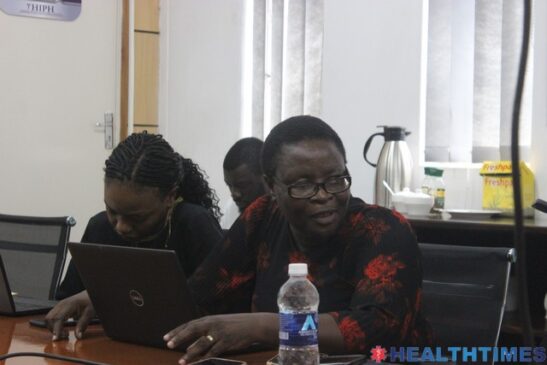
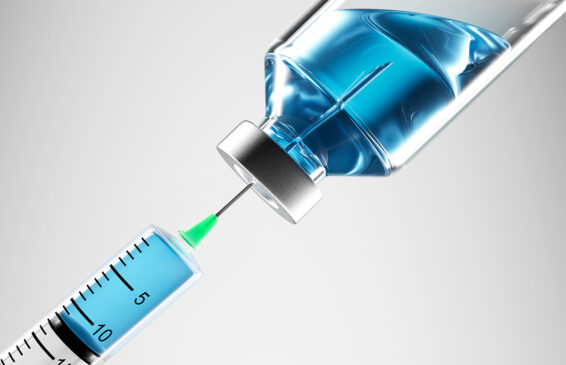
By Kuda Pembere Having received 2000 doses of Cabotegravir (CAB-LA), a long-acting injectable pre-exposure prophylaxis (PrEP), Zimbabwe’s Ministry of Health and Child Care says they will roll it out next year. Speaking at a Health Communicators Forum (HCF) media science café, a MoHCC officer in the AIDS and TB department Dr Idah Moyo said the product is currently being assessed at demonstration sites in the country. So of note is that the Cabotegravir long-acting injection pre-exposure prophylaxis is being delivered under the demonstration site and is coming in according to…

Read More

Illegal medicines sellers arrested in Karoi

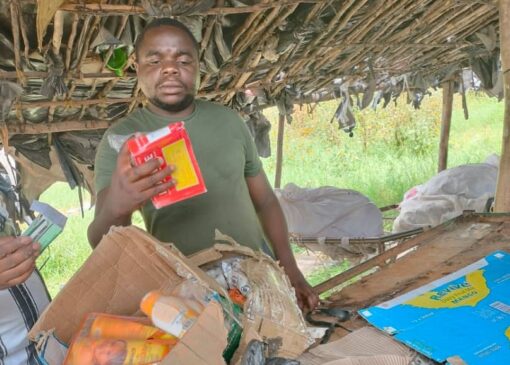
By Staff Reporter The Medicines control Authority of Zimbabwe (MCAZ) recently conducted a raid in Chikangwe area in Karoi seizing expired drugs, unregistered medicines, skin lightening creams and body altering products. Arrested during the raid were illegal medical sellers in the area. The blitz is part of the Authority’s enforcement activities which seek to safeguard the public from unregistered medicines which may endanger public health. “The Medicines Control Authority of Zimbabwe (MCAZ), in collaboration with the Zimbabwe Republic Police (ZRP) Drugs and Narcotics Division, conducted a successful blitz in the…

Read More

#BREAKING: Zimbabwe Receives 2000 Doses Of Injectable PrEP

By Michael Gwarisa Zimbabwe has become the third African country to receive doses of injectable cabotegravir (CAB-LA) as pre-exposure prophylaxis (PrEP) for HIV prevention after Malawi and Zambia in a move that is set to expand HIV prevention methods for Zimbabweans. The injectable cabotegravir for HIV PrEP will be administered by healthcare providers. Initially, a person receives an intramuscular (IM) injection of cabotegravir one time each month for the first two months. After that,a person will receive an IM injection of cabotegravir one time every two months. Speaking in an…

Read More

Amref Puts A Spotlight On Widening Climate Change Induced Health Inequalities in Africa

“As dire as the situation is, financing for climate adaptation is only a drop in the ocean of what is needed. This scenario has been, and continues to be the reason why Africa is one of the most vulnerable continent.” By Michael Gwarisa As the world commemorates World Health Day, governments around the world are seized with addressing climate change challenges, with the World Health Organisation (WHO) data estimating that between 2030 and 2050, climate change will likely cause approximately 250 000 additional deaths per year, from undernutrition, malaria, diarrhoea…

Read More

Touching The Light Again After Losing Eyesight In Adulthood: Dorothy Duncan Braille Library’s Legacy To Zimbabwe

By Michael Gwarisa Imagine growing up functioning like any normal child, only to lose your eyesight in your adulthood. Such is the story of 33-year-old Tendai David Muranganwa, who in 2015 lost his eyesight following a severe Meningitis diagnosis. In early November of the same year, before the Meningitis diagnosis, Tendai was involved in a minor car accident which subsequently led to a series of headaches. On November 20, 2015, Tendai was hospitalised and diagnosed with a severe case of Meningitis. According to the World Health Organisation (WHO), Meningitis is…

Read More

“I Attempted Suicide Twice:” Songbird Pauline Gundidza Recounts Journey With Drug and Substance Addiction

By Michael Gwarisa Drug and substance addiction is very common in the music industry, and Psychologists have identified several reasons why musicians find it easy to slide into addiction. These range from the easy accessibility of drugs since most of the time musicians play in clubs and pubs where drug peddling is rife. Fame and fortune, immaturity, money, nomadic lifestyles as they tend to be on the roads most of the time, and generally a Laissez-faire kind of attitude have been linked to the high prevalence of drug and substance…

Read More

Remembering the Zimbabwean Health Care System’s Heyday

By Gamuchirai Masiyiwa, GPJ Zimbabwe HARARE, ZIMBABWE — Wards bustling with highly motivated health care workers, readily available medication, decent salaries, a thriving teaching hospital network — this defined Zimbabwe’s health care system in the 1980s. Back then, it was considered a model of efficiency and effectiveness in Africa. Today, however, the system is broken. Shortages of medical supplies, a crumbled infrastructure, and a mass exodus of health care workers have left the country unable to meet the needs of its people. Among those left questioning the decline is Stella,…

Read More

World Bank Closes 13-Year Health Sector Development Support Project In Zimbabwe

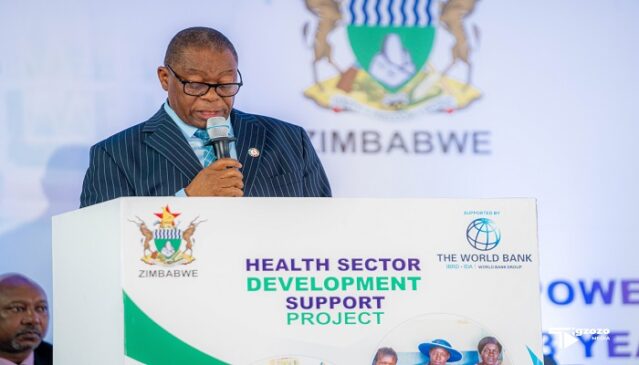
By Michael Gwarisa The World Bank has officially handed over the Health Sector Development Support Project (HSDSP), to Zimbabwe’s  Ministry of Health and Child Care (MoHCC), as part of efforts to institutionalise and create continuity of projects beyond donor funding. Initiated in 2011, the Health Sector Development Support Project was characterised by different funding cycles including the latest additional financing. Through the project, Zimbabwe has recorded positive gains on  the maternal and child health side of services through innovative health systems strengthening approaches, supported by an investment of US$78 million…

Read More

Sweden Injects US$1.9 Million towards Zimbabwe’s Anti-Drug Abuse Campaign

By Michael Gwarisa In a bid to support Zimbabwe’s efforts to curb the souring drug and substance abuse crises, the Embassy of Sweden in Zimbabwe has availed an amount to the tune of US$1.9 Million towards “The Strength is in You” anti-drug campaign. The US$1.9m grant for the Anti-Drugs Campaign is part of the Swedish Embassy’s overall efforts to address negative practices in Zimbabwe. The campaign is being implemented by the Population Solutions for Health (PSH), and is aimed at raising awareness on the dangers of drug use, provide support…

Read More

Zim modern contraceptive use rises

By Kuda Pembere The latest modern Contraceptive Prevalence Rate in Zimbabwe stands at 69 percent  up 1 percent from 68 percent in 2021. This was attributed to the partnership between the Zimbabwe National Family Planning Council (ZNFPC) and the United Nations Population Fund (UNFPA). Despite this enviable CPR, the Zimbabwe National Family Planning Council (ZNFPC) acting executive director Mr Farai Machinga said they  while they are aiming to get the unmet need for family planning at 6 percent, they are at 10 percent which has not changed from 2022. And…

Read More