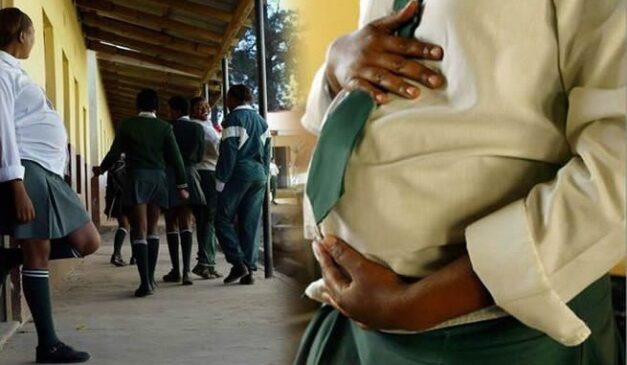
By Chipo Tsitsi Mlambo On November 26, 2024, as I prepared to address the issue of obstetric violence against pregnant children, a significant case emerged. Sixteen-year-old Tariro* (not her real name) went into labor and arrived at the home of one of our Purple Door Advocates, who promptly escorted her to the local clinic. A few hours later, I received a call from our community advocate informing me that Tariro had been advised her baby was too large for a normal delivery and required a C-section at the hospital. To…
Read MoreCategory: Op Ed
A special feature section for guest columnists
The real cost of the US funding freeze on healthcare workers and people living with HIV in Zimbabwe
By Rumbie Gumbie – Researcher The abrupt freeze in U.S. global health funding has sent shockwaves through Zimbabwe’s healthcare system, forcing entire organizations to shut down, leaving many workers unemployed, and putting life-saving HIV treatment programs at risk. Following an executive order issued by U.S. President Donald Trump on January 20, 2025, titled Reevaluating and Realigning United States Foreign Aid, most U.S. foreign assistance was paused for 90 days, throwing the health sector into turmoil. For years, USAID and PEPFAR have been the backbone of Zimbabwe’s HIV response, funding critical…
Read MoreThe investment case for diabetes care for rural Zimbabwean women
By Dr Nyasha Manyeruke The Zimbabwean healthcare system is currently battling a strategic funding gap towards the rising prevalence of non-communicable diseases such as diabetes (World Health Organisation, 2020). Any increase in national budgetary allocation towards addressing this growing public health threat, must take into consideration the existent intersectional endemicity of communicable diseases, El-nino drought, current economic contraction and historic marginalisation of women (UN Women, 2022). In this article, I discuss the evidence supporting the call to increase investment towards a diabetes primary health intervention focused on reproductive age women…
Read MoreIn 2025, Lets Unite In Tackling Gender-Based Violence and Child Marriages In Zimbabwe
By Edinah Masiyiwa During the final weeks of 2024, two events made me think deeply about gender-based violence and what more we can do in 2025 to address it. The first was a film screening organized by the British Embassy titled India’s Daughter. The film tells the story of Jyoti Singh, a 23-year-old medical student who was brutally assaulted by a group of men on a minibus while returning home from watching a movie. She succumbed to her injuries a few days later. As the film played, the room was…
Read More2025 Budget Should Prioritise Post Abortion Care
By Edinah Masiyiwa As the country undergoes the budgeting process for the year 2025, it is time for the Zimbabwe Ministry of Health and Child Welfare to prioritise women’s access to maternal health services. The focus especially should be put on comprehensive abortion care guidelines as it greatly contributes to a reduction of maternal mortality. This article will focus on the importance of having a well-funded post-abortion care programme. Zimbabwe has the highest contraception prevalence rate in sub – Saharan Africa but also one of the highest maternal mortality ratios…
Read MoreZim’s New Age Of Consent Law Wont Address Unintended Pregnancies Crises
By Edinah Masiyiwa In response to the pressure from early marriages and the rise of adolescent pregnancy, a new law was passed in Zimbabwe that raised the age for sexual consent from 16 to 18 years. This is known as the Criminal Laws Amendment (Protection of Children and Young Persons Act 2024) and it criminalises having sex with persons under the age of 18 years. The law also criminalises deliberate infection of the child with HIV or any other sexually transmitted disease. This is a law that has been passed because Zimbabweans…
Read MoreExperts Warn of Funeral Scams: How to Avoid Them
By Own Correspondent As funerals grow increasingly expensive, with attended services in Australia averaging $8,745 and larger events reaching up to $15,000, it’s become more important than ever for Australian families to protect themselves from being ripped off. Not only do the exorbitant costs of a funeral warrant extra scrutiny and care, but falling prey to a scam can further compound the financial hardship, adding to the emotional toll on grieving families. The Australian Competition and Consumer Commission (ACCC) has noted a significant rise in complaints related to funeral services…
Read MoreThe Adultification of Pregnant Children Seeking Antenatal Care in Harare
By Chipo Tsitsi Mlambo The adultification of pregnant children refers to a bias in which adults treat minors as if they possess the maturity and understanding of adults. In Zimbabwe, this bias is particularly evident when pregnant children seek antenatal care in urban centers like Harare. Phrases such as “Watoo amai, watokura” (You are now a mother, you are a grown-up) or “Wakaita zvevakuru” (You engaged in a grown-up act i.e. sex) imply that once a girl becomes pregnant, she is no longer viewed as a 14 or 15- year-old…
Read MoreThe reality behind the ‘Chinese debt trap’ myth in Africa
By Hannah Ryde For years, there have been sweeping concerns of African countries falling “victim” to a Chinese “debt trap” – whereby Chinese lenders provide unsustainable loans to African countries. Such narratives are problematic, as African countries are portrayed as inferior or incompetent in their engagement with Chinese creditors, while their Chinese counterparts are presented as predatory in their engagement with Africa. Indeed, throughout the COVID-19 pandemic, we witnessed these narratives emerging once again, despite vast amounts of data debunking this theory. This narrative is also extremely harmful, as it…
Read MoreMonkeypox: A Global Health Threat – who sounds the Alarm?
By Dr. Amit Singh Monkeypox is a viral disease of animal origin. It occurs primarily in tropical rainforest areas of Central and West Africa and is occasionally exported to other regions. Common symptoms of mpox include a rash which may last for 2–4 weeks. This may start with, or be followed by, fever, headache, muscle aches, back pain, low energy and swollen glands (lymph nodes). The rash looks like blisters or sores, and can affect the face, palms of the hands, soles of the feet, groin, genital and/or anal regions.…
Read More