We’ve recently started to talk more about burnout, yet it remains a hidden health problem. That’s because people experiencing burnout often feel ashamed to speak about it. I know this firsthand, as I felt that same shame, in my professional life before becoming a psychologist. I suffered from burnout while working as a media entrepreneur for over 10 years, and it burned me out. But few people knew about my burnout crises back then. At the time, I didn’t fully understand what was happening to me, mainly because no one…
Read MoreCategory: Op Ed
A special feature section for guest columnists
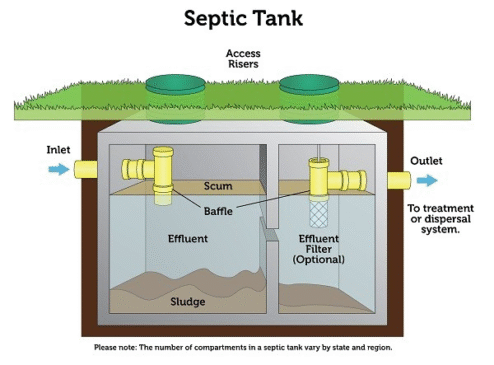
Fixing the Waste Below Us — Why Zimbabwe Must Rethink Septic Tank Sanitation
By Golden Musosi In Zimbabwe’s rapidly urbanizing spaces, where population growth often outpaces infrastructure, sanitation has become a ticking time bomb. One of the most overlooked yet critical elements of urban health is the septic tank system — a decentralized wastewater treatment solution that, if mismanaged, can silently unleash widespread disease and environmental damage. A septic tank is more than just a pit beneath the ground; it is an active, living ecosystem designed to treat waste through natural anaerobic bacterial processes. Originally developed in high-income countries for rural areas far…
Read MoreFive Things Every Woman Should Know About Menopause
By Karen Bester Being a woman isn’t always easy. From a young age, we’re told half-truths and vague warnings about the changes our bodies will face. From periods to pregnancy and eventually menopause. In South Africa in particular, many women still don’t receive the right education about this important and inevitable phase of life, according to a 2024 Global Public Health study. With so much complexity in our female biology, it’s no surprise many of us feel unprepared when it comes to ‘the change,’ says Karen Bester, Medical Training Manager…
Read MoreOp-ed: Adolescents and young people today, leaders tomorrow: commemorating the Day of the African Child
Authored by: Mr Henry Damisoni, UNAIDS Representative, Ms Etona Ekole, UNICEF Representative, Mrs Miranda Tabifor, UNFPA Representative, Dr. Desta Tiruneh, WHO Representative In a local health clinic in Zimbabwe, Patience, a nurse and midwife, counsels and supports women and girls on a daily basis – some who are trying to prevent a pregnancy, those who are soon to become first-time mothers, and others who are living with HIV and seek to take care of themselves and their partners. This is a new generation of young people and adolescents, who yearn for a…
Read MoreA 75-Seater Bus of Newborns Crashes Every 12 Hours in Zimbabwe. We Must Hit the Brakes
By Michael Gwarisa Every twelve hours in Zimbabwe, an unimaginable tragedy unfolds. A fully loaded 75-seater bus carrying newborn babies crashes, leaving no survivors. The nation would demand answers, declare emergencies, and mobilize every resource to prevent another disaster. Yet this exact horror plays out in silence daily. According to the 2023-24 Zimbabwe Demographic and Health Survey, 18,500 newborns die each year before reaching 28 days of life. This translates to a neonatal mortality rate of 37 deaths per 1,000 live births. When we include stillbirths and deaths in the…
Read MoreObstetric Fistula: The Silent Struggle of Zimbabwean Women
By Alfa Bothwell Gwatidzo In my community, when a baby is born, we say “makorokoto, mapona”—“congratulations, you survived.” These words, while celebratory, echo a painful reality for many women in Zimbabwe. Childbirth remains perilous, especially in underserved communities where access to timely medical care is often a luxury. Among the most devastating consequences is obstetric fistula—a preventable and treatable condition that continues to trap women in cycles of pain, isolation, and stigma. Obstetric fistula occurs when prolonged, obstructed labour creates a hole between the birth canal and the bladder or…
Read MoreWhy Medical aid societies in Zimbabwe should be regulated by a Health-Focused Authority or body — Not IPEC
By Enock Musungwini, MPH; MBA There are varying definitions and descriptions of what a medical aid is. Medical aid societies, also known as private health insurance companies, are non-profit or for-profit entities that provide health coverage by pooling member contributions to finance medical services. According to Shylet Sanyanga, the AHFoZ CEO, a medical aid is a form of insurance where members pay a monthly fee (called a contribution or premium) in return of financial cover for medical treatment or related medical expenses when the need arises. Medical aid members contribute…
Read MoreAddressing Zimbabwe’s Health System Demise and Brain Drain
By Itai Rusike Zimbabwe’s health sector has been on a downward trajectory for years, facing numerous systemic challenges that have significantly eroded the quality of service delivery. Among the most pressing issues is the brain drain, which has seen a mass exodus of health professionals seeking better opportunities abroad. This trend has left the nation’s public health facilities understaffed and struggling to cope with the increasing demand for healthcare services. The health system in Zimbabwe is characterized by poor working conditions, inadequate remuneration, and a lack of essential medical supplies.…
Read MoreTreat the funding cuts like the humanitarian disaster that they are
By Dr Esther C. Casas On February 26th, the US government issued around 5,200 termination letters to programmes worldwide funded by the US Agency for International Development (USAID) and 4,100 funded by the Department of State and the President’s Emergency Plan for AIDS Relief (PEPFAR). These programmes were ordered to shut down operations immediately and permanently. Many provided essential and lifesaving healthcare services for malaria, Ebola, malnutrition, sexual and reproductive health (SRH), HIV and tuberculosis (TB), and vaccination, among other critical health issues. These abrupt terminations came after more than a month of chaos and devastation for…
Read MoreHealth Professions Authority Zimbabwe: Guardians of Healthcare Standards and Patient Rights
The Health Professions Authority of Zimbabwe (HPA) plays a crucial role in safeguarding the nation’s health by regulating private and public health institutions. Beyond its regulatory function, HPA is also instrumental in promoting and protecting patient rights through its oversight of the Patients Charter of Zimbabwe. This article unpacks HPA’s mandate and delves into the key tenets of the Patients Charter, empowering citizens to understand their rights within the healthcare system. HPA’s Mandate Health Facility Registration Health Professions Authority registers and regulates private and public health institutions to ensure set…
Read More