By Golden Musosi In Zimbabwe’s rapidly urbanizing spaces, where population growth often outpaces infrastructure, sanitation has become a ticking time bomb. One of the most overlooked yet critical elements of urban health is the septic tank system — a decentralized wastewater treatment solution that, if mismanaged, can silently unleash widespread disease and environmental damage. A septic tank is more than just a pit beneath the ground; it is an active, living ecosystem designed to treat waste through natural anaerobic bacterial processes. Originally developed in high-income countries for rural areas far…
Read MoreTag: SANITATION
NAC/UNICEF Collaborate To Integrate WASH and HIV Programs For Positive Health Outcomes In Sanyati
IN a bid to reduce diarrhoeal induced morbidity and mortality amongst People Living with HIV (PLHIV) as well as influence behavior change, the National AIDS Council (NAC) has partnered the United Nations Children’s Fund (UNCEF) and the Ministry of Health and Child Care (MoHCC) to integrate HIV and Water, Sanitation and Hygiene programs in Sanyati districts. By Michael Gwarisa recently in Sanyati A study conducted by the Anglo-American Group foundation indicate that Diarrhoea remains a very common disease affecting about 90% of people living with HIV in Southern Africa,…
Read MoreWhy World Toilet Day Is No Joke
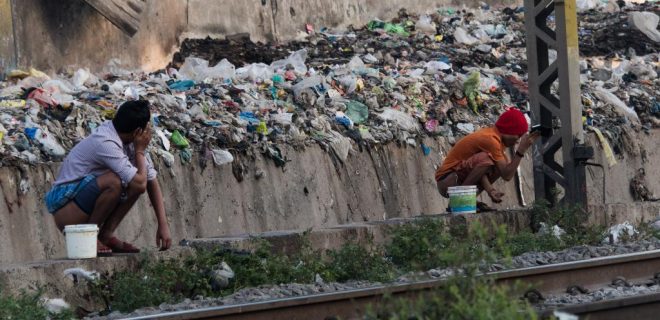
TO date, 4.5 billion people live without safely managed sanitation and 892 million people still practise open defecation. By Michael Gwarisa Every year, on November 19, the world celebrates World Toilet Day and this year, the day is running under the theme “When nature calls, we have to listen and act.” Twice or thrice a day, nature calls and the need to relieve oneself becomes inevitable making the toilet a basic human right and need. Sanitation has been declared a human right by the United Nations. The United Nations…
Read MoreHarare Now an Ancient City…As Harare Tops In Typhoid Cases
By Michael Gwarisa THE city of Harare now resembles an ancient town as it lacks the characteristics and requisites of a modern day city due to poor planning and recurrent diarrheal diseases like Typhoid and Cholera which were most prominent during ancient times. Typhoid was first discovered in 1880 in New York City but is also believed to have existed around 430 BC in Greece where it almost wiped out a whole army. Briefing a Community Working Group on Health (CWGH) Public Dialogue meeting on Recurrent Outbreak of Typhoid and…
Read More