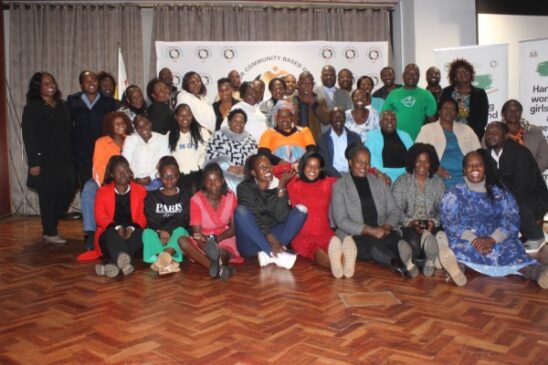
By Michael Gwarisa As Zimbabwe grapples with persistently high levels of stigma against people living with HIV (PLHIV), the media has been called upon to champion responsible, inclusive, and stigma-free reporting to support national HIV response efforts. Despite international targets urging countries to reduce HIV-related stigma to below 5% by 2025, Zimbabwe’s HIV Stigma Index tells a troubling story. According to the latest data, stigma currently affects nearly 70% of PLHIV and other key and vulnerable populations in Zimbabwe—an increase from 65.5% in 2014. Speaking at a media engagement breakfast…
Read MoreAuthor: Michael Gwarisa
Goromonzi Community Welcomes Life-Saving Maternity Waiting Home
By Kuda Pembere in Goromonzi A new maternity waiting home at Masikandoro Clinic in Goromonzi District is being hailed a timely and life-saving development, providing expectant mothers with a safe place to stay as they await delivery—especially in a community grappling with maternal and neonatal mortality, poor road infrastructure, and long travel distances to health facilities. Located in Ward 1 of Goromonzi West Constituency, the waiting home was constructed over a period of three months. It was built under the project titled:“Supporting Peaceful, Safe, and Sustainable Reintegration for Returning Migrants…
Read MoreZimbabwe Hosts High-Level Regional Meeting to Advance National Public Health Institutes Across Southern Africa
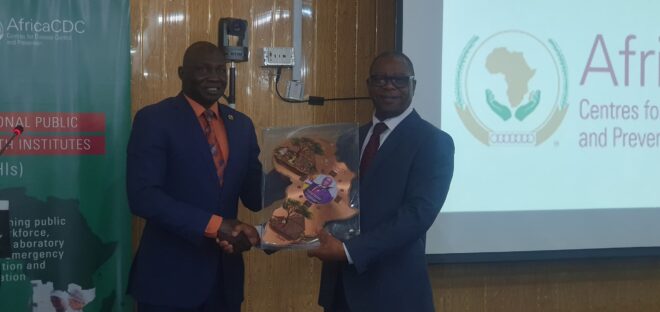
By Michael Gwarisa Zimbabwe has opened its doors to public health leaders from across Southern Africa this week, hosting the fourth edition of the Regional National Public Health Institutes (NPHI) Indaba. The three-day meeting, which began on June 25 in Harare, convenes African Union (AU) Member States, global health partners, and technical institutions to evaluate progress and reinforce the commitment toward building and strengthening National Public Health Institutes across the continent. Organised by the Africa Centres for Disease Control and Prevention (Africa CDC), the gathering seeks to address persistent gaps…
Read MoreMarriage Isn’t Working’: Divorce Among Zimbabwean Women Up by Nearly 100,000 in 10 Years
By Michael Gwarisa The number of divorced or separated women in Zimbabwe has surged dramatically over the past decade, rising by nearly 100,000 since 2015. This is according to new findings from the 2025 Zimbabwe Demographic and Health Survey (ZDHS), conducted by the Zimbabwe National Statistics Agency (ZIMSTAT) in partnership with the Ministry of Health and Child Care (MoHCC) and development partners. According to the 2025 report, 12% of women aged 15–49 are now divorced or separated, compared to 9% in 2015. Given Zimbabwe’s current estimated population of 16 million—with…
Read MoreSuspended HIV Services Resume in Masvingo as CAB-LA, Vaginal Ring Return for Key Populations
By Michael Gwarisa, recently in Masvingo For the past 12 months, Wellington*, a 41-year-old Masvingo man who has sex with men (MSM) and a male sex worker, has relied on oral Pre-Exposure Prophylaxis (PrEP) to reduce his risk of HIV infection. He has also used condoms and occasionally Post-Exposure Prophylaxis (PEP). At the start of 2025, Wellington hoped he would be initiated on the injectable form of PrEP, Cabotegravir Long-Acting (CAB-LA), to further protect himself. But like many other HIV prevention services, the injectable program had been suspended following the…
Read MoreBroken Clinics, Broken Promises: The Cost of Delayed Devolution
By Kuda Pembere In Zimbabwe, the issue of healthcare spending remains a thorny one. While much of the attention tends to focus on the Ministry of Health and Child Care, a closer look reveals that local authorities—both urban and rural—are grappling with the immense responsibility of providing basic healthcare services, often without the necessary resources. For years, these local governments have operated municipal clinics and hospitals, working to support national efforts toward achieving Universal Health Coverage. Yet, the journey toward that goal has been hampered by limited and inconsistent financial…
Read MoreEvery new baby in the UK to receive DNA testing
Every baby in the UK will have their DNA tested under a new 10-year plan for the NHS. The whole-genome sequencing will screen for hundreds of diseases and allow people to “leapfrog” killer illnesses, according to the Health Secretary, Wes Streeting. Speaking to the Telegraph, he revealed plans to move the NHS towards a model of sickness prevention rather than treatment. Personalised medicine, made possible through things like DNA testing, will form a big part of that plan, with £650m pledged to genomics research by the government. “The revolution in medical science…
Read MoreHumans Age Faster at 2 Specific Times in Their Life, Study Finds
Getting older might seem like a slow, inevitable process — but new research suggests that aging can actually arrive in sudden, dramatic bursts. If you’ve ever looked in the mirror one morning and thought, “Did I age overnight?” — it turns out you might not be imagining it. A groundbreaking study published in Nature Aging in August 2024 reveals that humans undergo two significant biological shifts in the aging process: one around the age of 44, and another at approximately 60. “We’re not just changing gradually over time; there are…
Read MoreFixing the Waste Below Us — Why Zimbabwe Must Rethink Septic Tank Sanitation
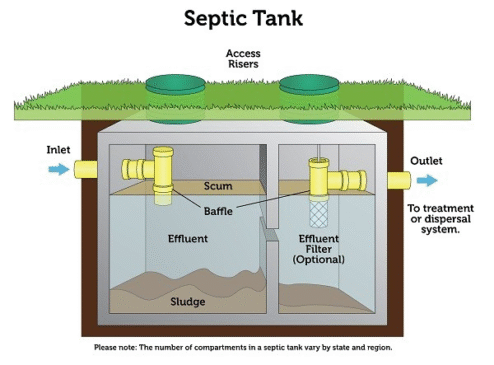
By Golden Musosi In Zimbabwe’s rapidly urbanizing spaces, where population growth often outpaces infrastructure, sanitation has become a ticking time bomb. One of the most overlooked yet critical elements of urban health is the septic tank system — a decentralized wastewater treatment solution that, if mismanaged, can silently unleash widespread disease and environmental damage. A septic tank is more than just a pit beneath the ground; it is an active, living ecosystem designed to treat waste through natural anaerobic bacterial processes. Originally developed in high-income countries for rural areas far…
Read MoreFive Things Every Woman Should Know About Menopause
By Karen Bester Being a woman isn’t always easy. From a young age, we’re told half-truths and vague warnings about the changes our bodies will face. From periods to pregnancy and eventually menopause. In South Africa in particular, many women still don’t receive the right education about this important and inevitable phase of life, according to a 2024 Global Public Health study. With so much complexity in our female biology, it’s no surprise many of us feel unprepared when it comes to ‘the change,’ says Karen Bester, Medical Training Manager…
Read More