UNICEF South Africa calls for a whole of society response to protect, nurture and care for the most vulnerable children. PRETORIA, 05 September 2022 – COVID-19 associated deaths have left nearly 150,000 children as orphans, according to latest data modelling from Imperial College London, as part of the Global Reference Group for Children Affected by COVID-19: Joint Estimates and Action. That number rises to 207,400 when including children who have lost their primary or secondary caregiver, such as a grandparent. The tragic figures reiterate the importance of a holistic and…
Read MoreCategory: BREAKING NEWS
UNICEF is concerned about the impact of measles outbreak
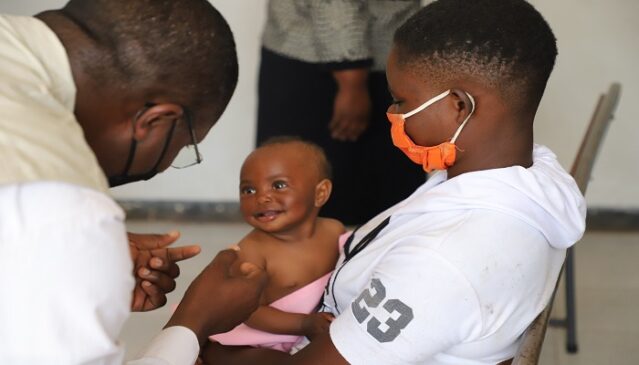
UNICEF is deeply concerned with the numbers of cases and deaths among children due to a measles outbreak in Zimbabwe. By Dr. Tajudeen Oyewale, UNICEF Representative in Zimbabwe On 10 April 2022, Mutasa District in Manicaland Province was the first district to report a measles outbreak. According to the latest data shared by the Government of Zimbabwe through the weekly Disease Surveillance System, a total of 6034 suspected cases, 4266 recoveries and 685 deaths have so far been recorded since the onset of the outbreak. Manicaland Province has the highest…
Read MoreWHO Urges Previously Vaccinated Children below 5 Years To Get Measles Vaccines
THE World Health Organisation (WHO) Country Representative, Dr Alex Gasasira has advised parents to take their children for vaccination regardless of their previous vaccination status. By Catherine Murombedzi The call comes in the midst of a raging Measles outbreak that since claimed 698 lives and infected a cumulative total of 6 291 Cases, while 4 459 have recovered. Speaking in a telephone interview, Dr Gasasira said children between 6 months to under 5 years should be vaccinated irrespective of prior vaccination status. “We urge parents and guardians to bring all…
Read MoreZimbabwe needs to find sustainable solutions to its perennial health crisis
During the course of the past two weeks, social media has been awash with videos of the Member of the Executive Committee (MEC) of Health for the Limpopo Province of South Africa directly humiliating Zimbabwean patients who had sought elective surgical treatment in her province. By Dr Grant Murewanhema There have been mixed reactions from the Zimbabwe, South African and international community at large regarding the conduct of the MEC. Some have described the actions as highly unethical and not expected from somebody of her stature and education. The MEC…
Read MoreHere is why Blood is expensive in Zim
For a long time, there has been disgruntlement from various sections of society over the highly priced precious liquid of blood in Zimbabwe. The bone of contention over years has been around the cost of blood and blood products despite the fact that the National Blood Service of Zimbabwe (NBSZ) gets blood free of charge from blood donors. By Michael Gwarisa In 2018, the Ministry of Health and Child (MoHCC), then under the regime of Dr David Parirenyatwa launched the Free Blood Initiative that would see pregnant women and vulnerable…
Read MoreZimbabwe Red Cross Society Offering Free Cervical and Breast Cancer Screening At Agric Show
The Zimbabwe Red Cross Society (ZRCS) in partnership with the Zimbabwe Agricultural Society (ZAS) is offering free screening for cervical and breast cancer throughout this year’s Agricultural show running from 29 August to 3 September. By Staff Reporter Zimbabwe has a high burden of cervical cancer. According to the Zimbabwe National Cancer Registry, this cancer leads among malignancies in women, and constitutes 33.2% of the cancer burden in this population. Cervical cancer despite its potential preventability and curability, remains the most common cancer in Zimbabwe and is responsible for most…
Read MoreZHI Launches Multimillion worth Programs to Advance HIV Prevention, Care and Treatment In Zimbabwe
THE Zimbabwe Health Interventions (ZHI), through support from the USAID, PEPFAR and the Ministry of Health and Child Care (MoHCC), has launched two programs, the DREAMS-RISE and ACCE initiatives in bid to reduce new HIV infections as well as economic induced vulnerabilities in Adolescents Girls and Young Women (AGYW). By Michael Gwarisa The acronym ACCE stands for, Accelerated and Comprehensive HIV Care for Epidemic Control in Zimbabwe (ACCE) while DREAMS-RISE stands for Determined, Resilient, Empowered, AIDS Free Mentored and Safe – Re-Ignite, Innovate, Sustain and Empower (DREAMS-RISE). The two programs…
Read MoreScrap Import Duty and VAT on Condoms…Partners Plead With Gvt, As Zimbabwe Records 15 Million Condom deficit
RELIANCE on donor funding for the National Condom program, coupled with a restrictive tax regime has resulted in Zimbabwe failing to meet its condom obligation of 173 million condoms per year, a development that could reverse progress made so far in the HIV response, HealthTimes has learnt. By Michael Gwarisa Zimbabwe’s national condom program comprise of public sector condoms, private sector condoms and Social Marketing condoms. However, increased donor fatigue has seen major donors such as the USAID and PEPFAR cutting their funding towards the procurement of public sector and…
Read MoreUN Women, National AIDS Council collaborate in offering HIV Response training to partners implementing SASA! Together Methodology
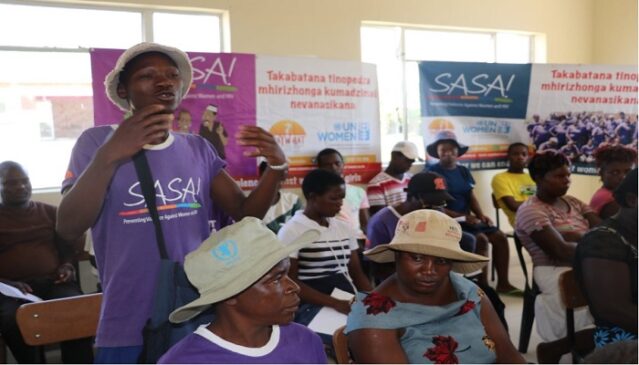
UN Women in partnership with National AIDS Council of Zimbabwe (NAC-Zimbabwe) conducted a five-day national SASA! Together Support Phase Training of Trainers (ToT) in Kwekwe on 18-22 July. The ToT was made possible through the support from the Spotlight Initiative, funded by European Union, targeting organisations already implementing the SASA! Together Start and Awareness phases in various provinces in Zimbabwe. The training aimed to build participants’ skills and encourage community members to join power with women experiencing violence and men who are potential allies in preventing violence against women and…
Read MoreHalf of health care facilities globally lack basic hygiene services – WHO, UNICEF
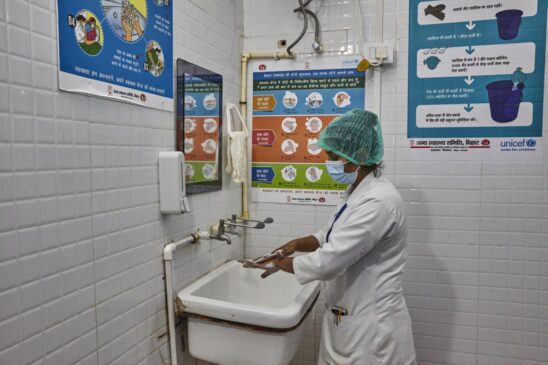
Newly established global estimate on hygiene reveals the risk of disease spread and infections to patients and health care providers Half of health care facilities worldwide lack basic hygiene services with water and soap or alcohol-based hand rub where patients receive care and at toilets in these facilities, according to the latest Joint Monitoring Programme (JMP) report by WHO and UNICEF. Around 3.85 billion people use these facilities, putting them at greater risk of infection, including 688 million people who receive care at facilities with no hygiene services at all.…
Read More